
What is polyester chenille fabric?
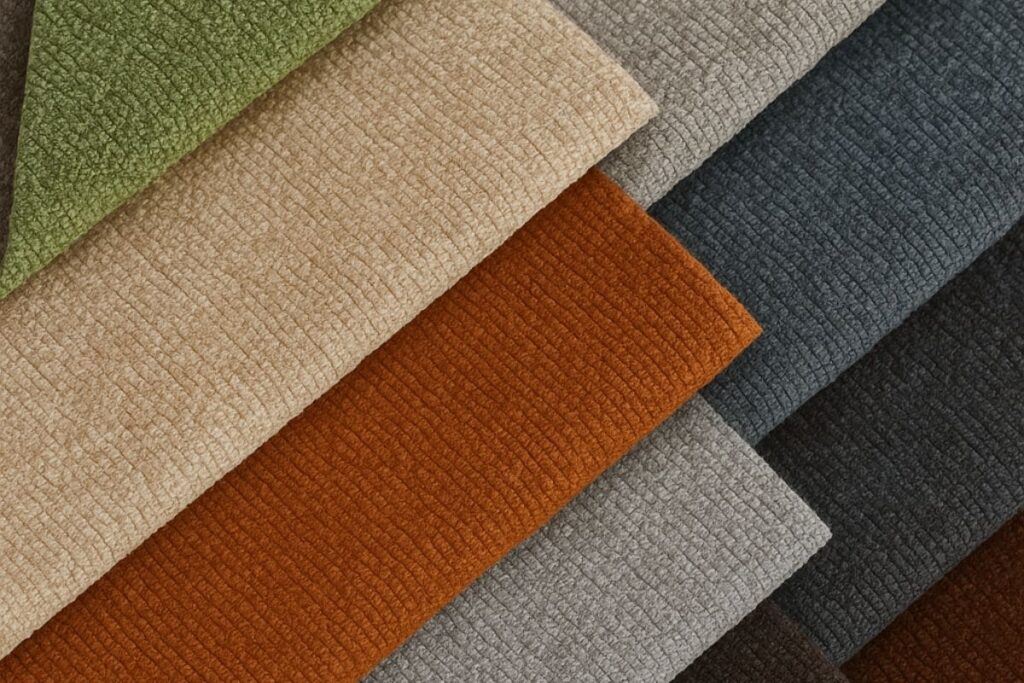
Polyester chenille fabric is characterized by its soft, bumpy texture and velvety feel. It is luxurious in appearance. The term “chenille” which in French means “caterpillar” refers to the fuzzy yarn from which the fabric is produced. Chenille made from polyester fibers results in a low-cost and easy to maintain fabric which is durable and long-lasting, used in both haute couture and home styling.
How is polyester chenille fabric made?
The production of chenille fabric involves a distinct sewing technique. Without any denim, the required one is sewn on a square or towel. To create chenille yarn, short strands of polyester are placed in two core yarns and twisted together. This gives a soft, plush pile which is synonymous with chenille. Fibers in the produced fabrics include piles which create a shimmering effect when light hits them.
Key Characteristics of Polyester Chenille
| Feature | Details |
|---|---|
| Texture | Soft, plush, and velvety |
| Durability | High, especially compared to cotton or rayon chenille |
| Appearance | Slight sheen with rich texture |
| Color Retention | Excellent, resistant to fading |
| Allergen-Friendly | Hypoallergenic, unlike some natural fibers |
| Wrinkle Resistance | Naturally wrinkle-resistant |
Common Uses of Polyester Chenille Fabric
Polyester chenille is widely used across various industries due to its aesthetic appeal and functionality:
- Upholstery: Ideal for sofas, chairs, and ottomans.
- Home Textiles: Common in throw pillows, curtains, and blankets.
- Fashion: Used in jackets, scarves, and loungewear.
- Accessories: Suitable for bags and hair accessories.
Benefits of Choosing Polyester Chenille
- Cost Effectiveness: Less expensive than silk or cotton chenille.
- Minimal Upkeep: Quickly dries and is machine washable.
- Lasting Strength: Great for busy areas as it can withstand damage and is long-lasting.
- Diverse Aesthetic Appeal: Comes in numerous shades and styles.
- Soft: Looks and feels plush even after extended usage.
Care and Maintenance Tips
To ensure longevity of polyester chenille fabric, follow these tips:
- Cleaning: Use cold water along with gentle detergent. Do not use harsh cleaning solutions.
- Drying: If possible, air-dry the item. Otherwise, tumble dry on low heat.
- Ironing: Not usually needed because the fabric is wrinkle resistant.
- Storage: Store in a cool, dry location to avoid mildew growth.
Environmental Impact
Like all synthetic fabrics, polyester chenille has petrochemical origins, meaning it is non-biodegradable. Its eco footprint is mitigated due to advancements in textile recycling and increased use of recycled polyester fibers.
Conclusion
Polyester chenille fabric is one of the best options for upholstery, home décor, and fashion, as it is very versatile, durable, and inexpensive. It is popular in modern homes because of its luxurious feel, ease of care, and resistance to damage. From updating furniture to designing soft accessories, polyester chenille provides style and strength. For those looking for an easy care fabric that is soft and durable, it is a smart and stylish choice. Discover its many applications today!
Frequently Asked Questions
1. Is polyester chenille fabric safe for very sensitive skin?
Yes, it is hypoallergenic and safe for sensitive skin. However, some reactions may be possible.
2. Can I wash polyester chenille in the washing machine?
Yes, but use a gentle cycle with cold water, and do not dry using a high heat setting.
3. Does chenille fabric attract pet hair?
While some pet hair may stick to its textured surface, it is not as difficult to remove as some natural fabrics.
4. Is polyester chenille suitable for upholstery?
Absolutely. Its softness and durability make it unlike any other fabric for furniture upholstery.
5. Does polyester chenille fade over time?
Not like natural chenille fabrics. It does preserve colour exceptionally well.



1 thought on “Polyester Chenille Fabric: A Complete Guide”