
What is Polyester Fabric?
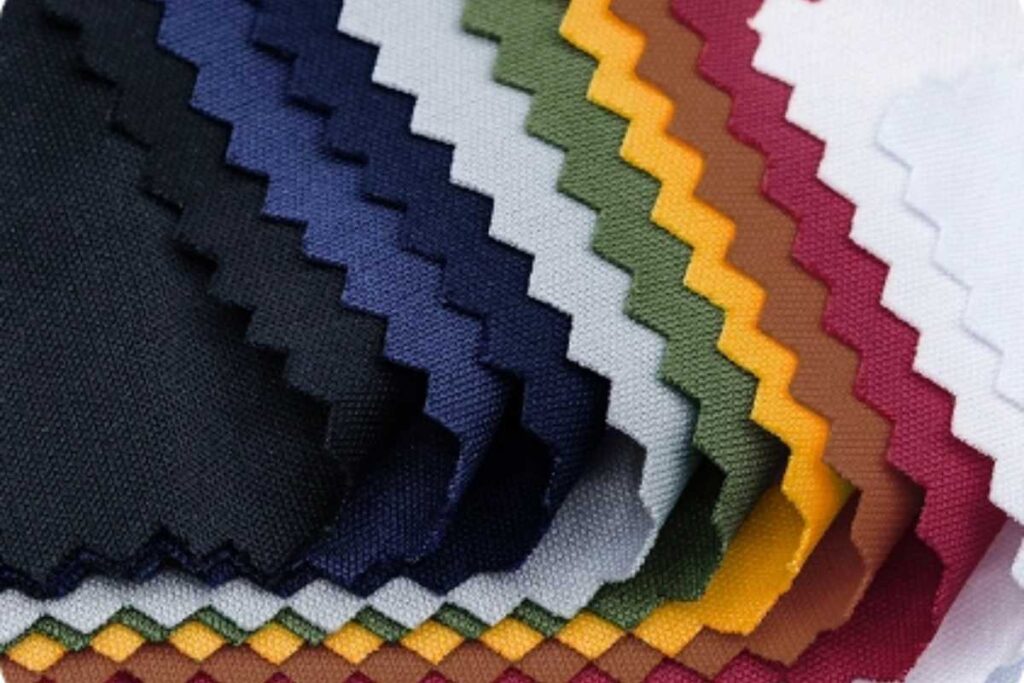
As a synthetic fiber, polyester is made from chemicals derived from petroleum. The versatility, strength, durability, and wrinkle resistance of polyester fabric makes it popular for use in a variety of clothing, home furnishings, and industrial materials.
History of Polyester
British chemists John Rex Whinfield and James Tennant Dickson first developed polyester in the 1940s. Polyester first found use in textiles, gaining considerable popularity in the 1970s for inexpensive clothing and household textiles.
Composition of Polyester
Polyester is primarily composed of ethylene glycol and terephthalic acid, which combine to form polyethylene terephthalate (PET).
| Component | Source | Function |
|---|---|---|
| Ethylene Glycol | Petroleum | Polymer chain formation |
| Terephthalic Acid | Petroleum | Provides structure |
| Additives | Various | Improves color & texture |
How Polyester is Made
This is the general overview of the steps in polyester creation:
- Polymerization– a chemical reaction that produces PET.
- Extrusion– the molten polymer is pushed through spinnerets which forms the fibers.
- Drawing– the fibers are stretched to increase their strength.
- Texturizing– the fibers are treated to give them bulk and the desired surface texture.
- Finishing– the fabric is dyed and subjected to various treatments to achieve the desired form.
Types of Polyester Fabric
- PET Polyester: the most widely used textile fiber.
- Microfiber Polyester: for soft, luxurious fabrics, ultra-fine fibers are used.
- Blended Polyester: for added comfort, it is blended with cotton, wool, or spandex.
Polyester Blend Fabric
Polyester Blend Fabric is a light-weight, durable, and easy-to-preserve fabric made with the aid of combining polyester with diverse natural or artificial fibers. Known for its wrinkle resistance, color retention, brief-drying properties, and lengthy-lasting energy, this fabric is extensively used in garb, domestic décor, and industrial applications. Its versatility makes it ideal for daily wear clothing, uniforms, sportswear, curtains, and fabric. Polyester combo fabrics offer the perfect stability of comfort, fashion, and durability. If you are looking for an less costly, long lasting, and occasional-preservation fabric choice, Polyester Blend Fabric is an brilliant choice.
Advantages of Polyester Fabric
- Durable and long-lasting
- Resistant to Wrinkling
- Resistant to Shrinking and Stretching
- Quick to Dry and Moisture-Resistant
- Retains Color
Disadvantages of Polyester Fabric
- Less Breathable than Cotton
- Odor Retention
- Non-Biodegradable
- Sensitivity to High Heat
Uses of Polyester Fabric
- Clothing: Shirts, Jackets, Dresses, Activewear
- Home Textiles: Curtains, upholstery, bed linens
- Industrial: Ropes, conveyor belts, tarpaulins
- Sportswear and Outdoor Gear: Jackets, swimwear, tents
How to Care for Polyester Fabric
- Machine wash in warm water
- Avoid high heat when ironing
- Mild detergents
- Air dry or low-temperature tumble dry
Conclusion
The durability, versatility, and cost effectiveness of the polyester fabric makes it a popular synthetic material in the clothing, home textiles, and industrial textiles. The fabric is also highly maintained, wrinkle resistant, and saved. As a result, the environmental impact is reduced when it is care for and properly recycled.
FAQs About Polyester Fabric
1. Is polyester fabric natural or synthetic?
It is a synthetic fabric made from petroleum-based chemicals.
2. Can polyester be recycled?
Yes, PET polyester can be recycled into new fabrics or plastic bottles.
3. Does polyester shrink in the wash?
No, polyester is shrink-resistant.
4. Is polyester breathable?
Less than cotton, but blends with natural fibers improve breathability.
5. How long does polyester last?
With proper care, it can last 5–10 years or more.
6. Can polyester be dyed easily?
Yes, but requires specific synthetic dyes.
7. Is polyester safe for the environment?
It is non-biodegradable, but recycling can reduce environmental impact.
8. Can polyester fabrics wrinkle?
Polyester is highly wrinkle-resistant.
9. Can polyester be blended with other fabrics?
Yes, often blended for comfort and performance.
10. What are the most common uses of polyester?
Clothing, home textiles, industrial applications, and sportswear.
11. What is polyester fabric used for?
You can find polyester in several clothing items such as shirts, dresses, and t-shirts, as well as in an assortment of home textiles including curtains, bed sheets, and upholstery. It can also be seen in industrial items including ropes, tarpaulins, and some sports equipment.
12. What is polyester blend fabric?
These are fabrics made out of polyester blends, which, in this case, are combined with natural fibers such as cotton and wool. This combination also enhances breathability and comfort, as well as sturdiness, while still keeping polyester’s premium, wrinkle resistant quality.
13. What is cotton polyester fabric?
This is a combination of cotton and polyester fibers. It takes the softness and breathability of cotton while adding the strength and wrinkle resistant of polyester, which is perfect for everyday clothing.
14. How is polyester fabric made?
Polyester is formed by the combination of ethylene glycol and terephthalic acid which produces polyethylene terephthalate. This is then processed into a fabric through extruding, drawing, texturing, and finishing the fibers.
15. Is polyester generally good for fabric?
Of course, polyester is used for clothing such as shirts, dresses, t-shirts, and most especially activewear as it is also durable, wrinkle resistant, and low maintenance.



1 thought on “Polyester Fabric: Complete Guide | Uses, Types, and Care”