
What is Chenille Upholstery?
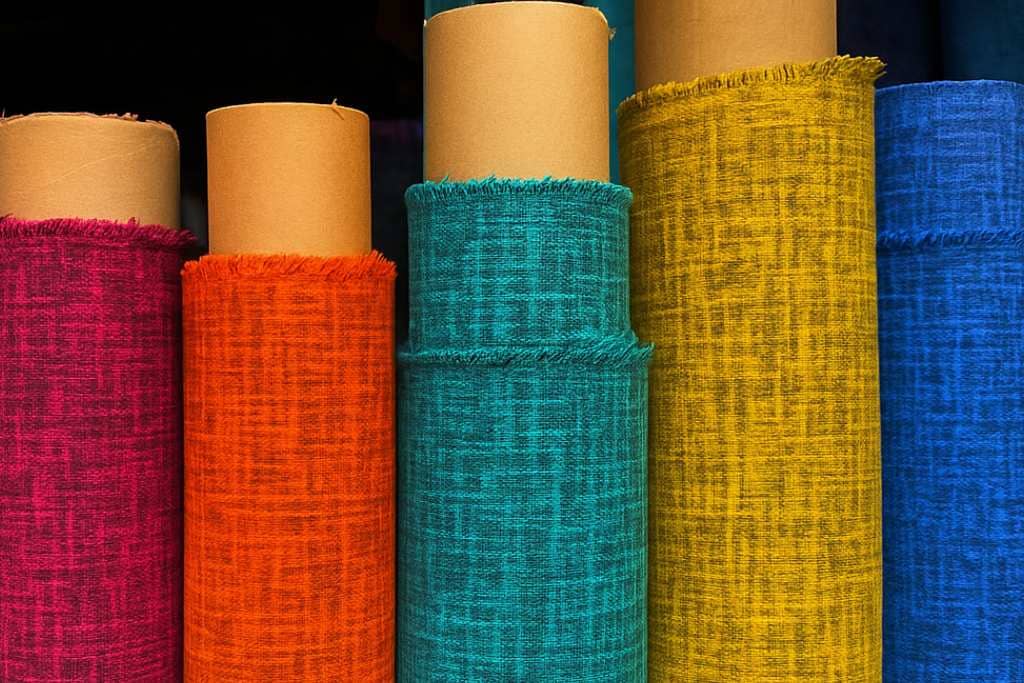
Chenille upholstery offers a unique softness & elegancy blended with durability that makes it a go to textile choice for furniture. The French term için “caterpillar” refers fuzzy fabrics as “chenille”. This is trended among sofas, chairs and even cushions. It is used to make headboards as well. Furniture is made of tree like tapes twisted around with yarn cores, soft and smooth twocher that gives off glow.
Why Choose for Chenille Upholstered Furniture?
Chenille fabric strikes the absolute perfect combination between luxerious beauty and reliable useful strength. Below are some defining reasons to why it is widely accepted:
- Chenille adds a great touch of softness: allowing for ease of relaxation and, hence, popular comfort for lounging or seating.
- Velvety Chenille adds beauty: Chenille changes gives life into any room by softzing and adding look together with virtue.
- Design attractiveness: Since chenille comes in vairapas different styles dyes and comes in patterns, it is favorable nott just for moderns but also for traditional designs.
- Strength and Sturdiness: Although it isn’t rough textured, it can be harshly misused when taken care of which means it can endure ordinary regular use without added damages.
Advantages and Disadvantages of Chenille Upholstery
Advantages
- Appealing appearance: Adds to the beauty of any space with its luxurious finish and delicate gleam.
- Easy to use: Soft and warm for high-contact items like sofas and cushions.
- Insulating quality: Particularly in colder climates, it provides a warm, comfortable feeling.
- Depth of color: The fabric takes dye superbly, producing rich and vibrant colors.
Disadvantages
- Snagging risk: Pet claws, buttons, or zippers can snag the pile.
- Sensitive to moisture: Without stain protection treatment, chenille fabric absorbs liquids quickly.
- Requires careful maintenance: unless special measures are taken, it is unsuitable for high-traffic areas.
- UV sensitivity: May cause fading when exposed to sunlight for long periods.
Maintenance Tips for Chenille Upholstery
Chenille upholstery fabrics require the utmost precision when caring for it to enforce maximum durability and elegance. With this, follow the maintenance tips below:
- Regular vacuuming using a soft brush attachment will greatly help in not allowing dust to build up.
- Rotating the cushions makes sure that the fabric wears evenly over time, preventing depressions.
- Use mild soap and water or a fabric-safe upholstery cleaner to spot clean stains as soon as they occur.
- Fabrics, especially in high use areas where spills and stains are common, should be protected with fabrics guards.
- Avoid allowing the upholstery to bask in direct sunlight as it will fade in color and be greatly damaged.
- Having a professional clean the fabric at least once a year helps maintain it’s freshness.
Top Uses of Chenille Fabric in Interior Design
Due to the fact that Chenille is so adapative, it can be used in both residential and commercial settings without hassle.
- Sofas and Sectionals: As lounging furniture, sofas and sectionals need the durability and softness Chenille provides.
- Accent Chairs: Useful in the living room or reading nook, accent chairs add an elegant serve of texture.
- Headboards: Headboards covered with Chenille will turn any bed into an inviting, warm focal point enhancing its use.
- Ottomans and Benches: Chenille makes ottomans and benches not only elegant but stylish helping them serve small-spaced furniture.
- Decorative Pillows: A simple and inexpensive way of adding chenille to your home décor.
Conclusion
For anyone looking to incorporate comfort alongside style and chenille’s sophistication into their furniture, upholstery made of chenille fabric perfectly fits the description. Its plush texture and elegance enhance any interior, from cozy living rooms to upscale bedrooms. While it requires thoughtful upkeep, the warmth and aesthetic delight it offers makes the effort worthwhile. When selected and maintained properly, chenille can continue to be a luxurious and inviting component of your home for years to come.
Frequently Asked Questions (FAQs)
1. Is chenille a durable fabric for everyday use?
Chenille upholstery should be durable with the right care, but it probably isn’t the best choice for severe traffic areas or homes with pets that would snag the fabric.
2. How do I clean chenille upholstery?
Cleaning can be done with a vacuum brush attachment, and spills can be taken care of by blotting with mild upholstery solvent. Soaking the fabric is not recommended. It’s best to get the upholstery cleaned professionally at least once a year.
3. Can chenille upholstery be used in sunny rooms?
Though visually appealing, chenille is prone to fading damage from ultraviolet sunlight. Direct exposure should be minimized by taking the furniture out of direct sunlight or using window treatments.
4. Is chenille more affordable than other upholstery fabrics?
Chenille is moderately priced, being neither too expensive nor too cheap, making it practically economical than velvet while providing a similar look and feel.
5. What types of furniture are best upholstered in chenille?
Chenille is best suited for use in sofas, headrests, cushions, and armchairs. It yields the most comfort and step-soft touch in areas that do not get heavy traffic without protection.



1 thought on “Chenille Upholstery: Stylish, Soft, and Durable Fabric”