Blog

  • Best Microfiber Sofa Fabric: Types, Cleaning Tips & Durability

    Best Microfiber Sofa Fabric: Types, Cleaning Tips & Durability

    What is Microfiber Upholstery Fabric?
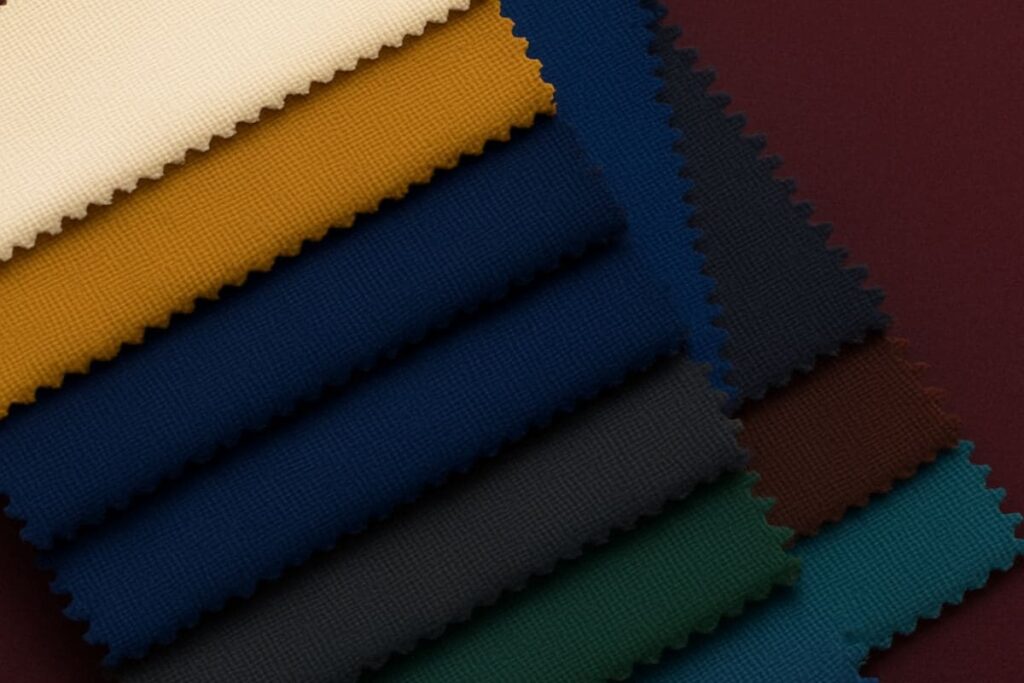
    What is Microfiber Upholstery Fabric

    Microfiber is a manmade fiber composed of polyester, polyamide, or a mix of the two. It is extraordinarily thin, finer than a strand of hair, and is tightly woven which increases its durability, makes it water-resistant, and suitable for upholstery work such as chairs and sofas.

    Microfiber upholstery fabric is often used in furniture design because of its soft feel and modern aesthetic. Whether for a comfortable living room or an elegant office, the fabric works for the design without compromising functionality.

    Microfiber sofa fabric is a famous preference for current homes. This manmade fiber is soft, durable, water-resistant, and smooth to keep, making it perfect for sofas, couches, and chairs.

    Benefits of Microfiber Fabric for Sofas and Couches

    There are several benefits to using microfiber upholstery fabric on sofas:

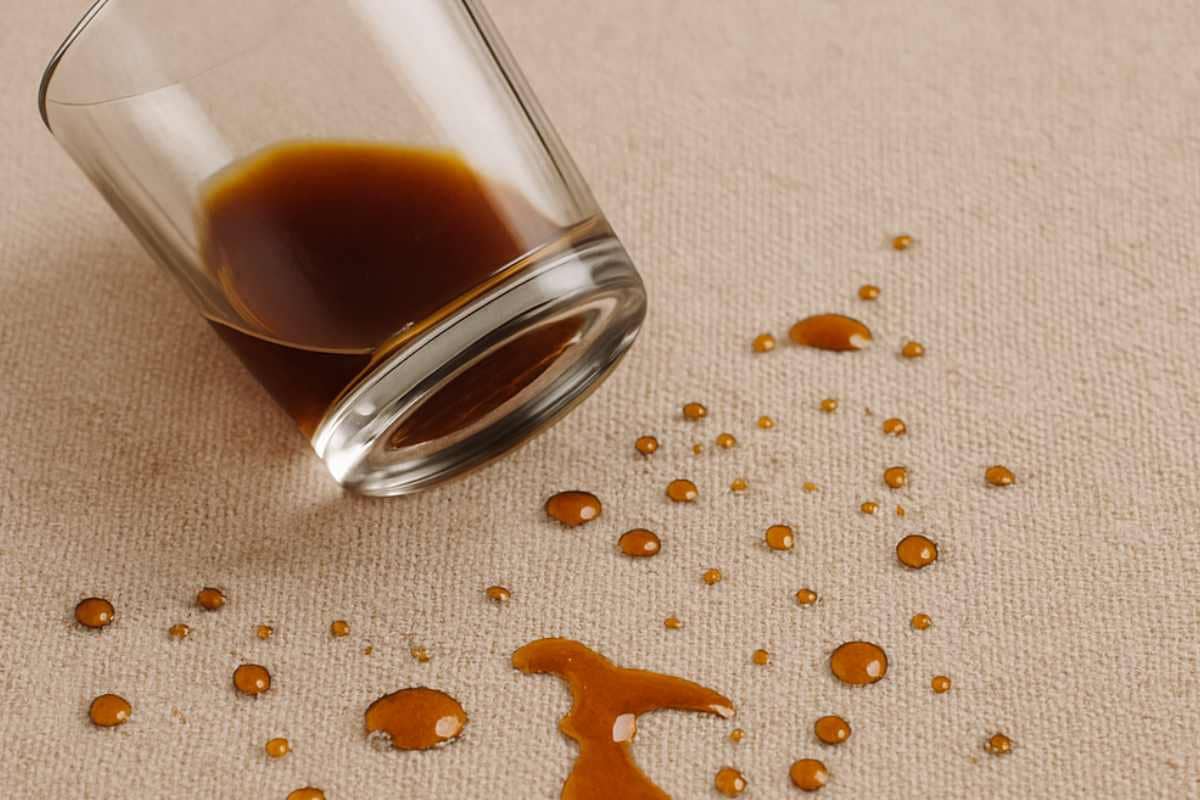
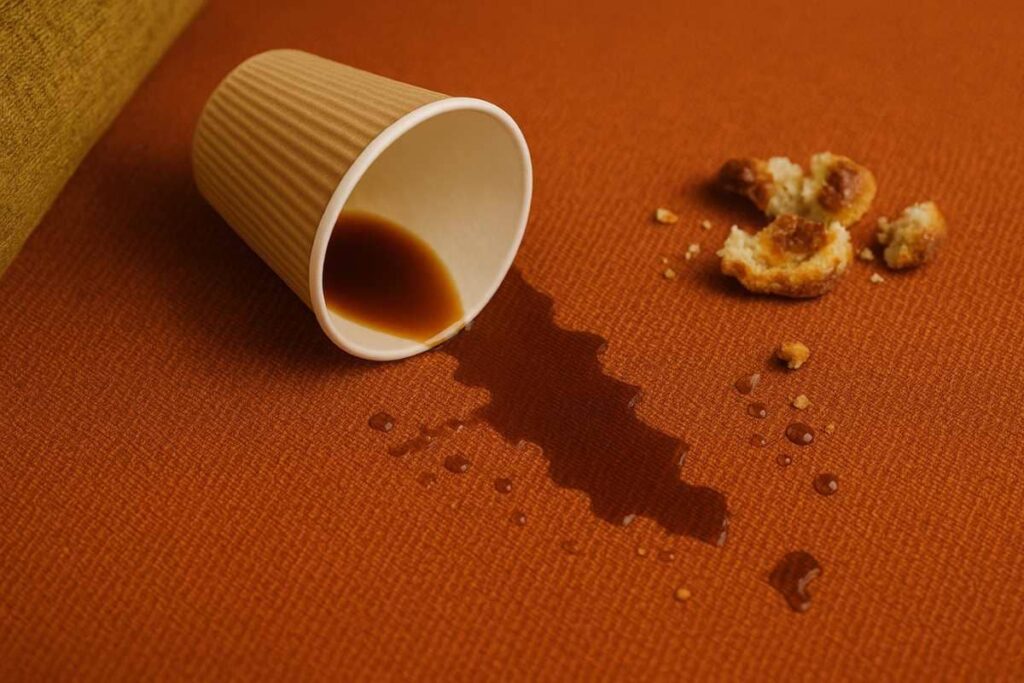
    • Stain Resistant: Microfiber does not soak up liquids, making it perfect for houses with pets or children.
    • Easy to Clean: Usually, dust and debris can be removed by a quick vacuum or a quick wipe with a damp cloth.
    • Durable: Endures many years of usage while maintaining its texture and color.
    • Soft and Comfortable: Has a sublime texture and feel without the upkeep that goes along with genuine suede.
    • Affordable: More cost-effective than leather or premier fabrics.

    Types of Microfiber Upholstery

    There are several types of microfiber couch material, each with unique textures and finishes:

    TypeTextureBest For
    Suede MicrofiberSoft, matteLiving rooms, casual furniture
    Woven MicrofiberTextured, durableHigh-traffic areas
    Brushed MicrofiberSmooth, velvetyDecorative pieces, cushions
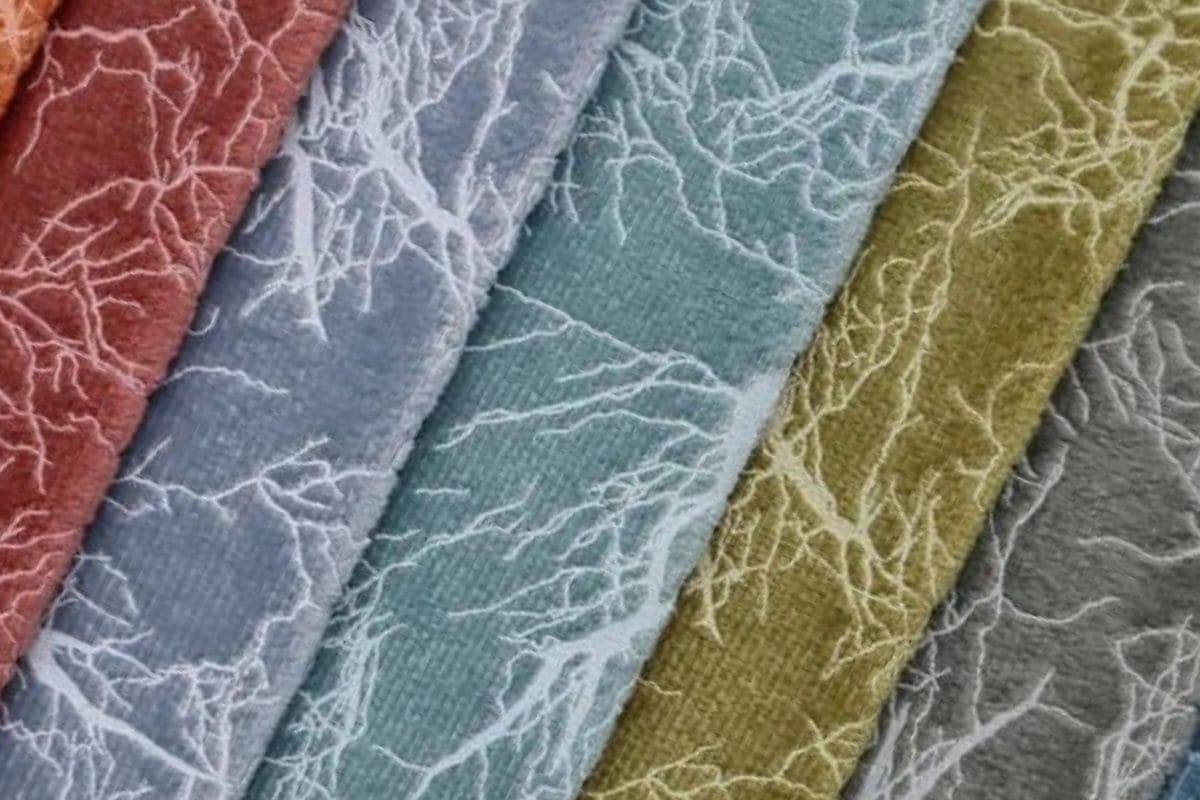
    Embossed MicrofiberPatterned finishStylish and statement furniture

    How to Care for Microfiber Couch Material

    Make sure that your microfiber upholstery maintains its appealing condition by doing the following:

    • Wash your upholstery on a weekly basis using a vacuum cleaner with a soft brush tool.
    • Do surface cleaning with a mild soap blended with water. Ensure not to soak the material.
    • For stains caused by oils, utilize rubbing alcohol or any solvent cleaner.
    • Always perform a spot check on a small area first.
    • Do not use strong bleach or chemicals.

    Choosing the Right Microfiber Upholstery for Your Furniture

    When choosing the fabric for your sofa or couch, consider the following:

    • Check Usage: For areas that are frequently utilized, consider tightly woven microfiber.
    • Match your décor: Choose the patterns and colors that go well with your upholstery.
    • Evaluate the Backing: A backing that is strong enhances the lifespan.
    • Check for Quality: Thicker, resilient material is a sign of higher quality microfiber.

    Conclusion

    The versatility and practicality of microfiber upholstery fabric makes it a good choice when remodeling your living space or purchasing new furniture. It is durable, comfortable, and stylish which suits modern homes.

    FAQs About Microfiber Upholstery Fabric

    1. Is microfiber good for upholstery?

    Microfiber is excellent when it comes to upholstery. Sofas, sectionals, and armchairs made out of it are soft, easy to maintain, and durable.

    2. What are the disadvantages of microfiber fabric?

     Some types of microfiber fabric tend to attract pet hair, lint, or even static electricity.

    3. Can microfiber sofas be professionally cleaned?

    Absolutely. Professional upholstery cleaners are known to restore your fabric’s look with cleaning services tailored to the specific material.

    4. Is microfiber better than leather?

    Microfiber is less expensive, easier to maintain, and cleaner compared to leather. However, leather offers superior durability and luxury. It all comes down to personal preference and lifestyle choices.

    5. How long does microfiber upholstery last?

     Thanks to proper care, upholstery made of microfiber can last over a decade while retaining its comfort and appearance.

    6. Can microfiber resist pet scratches?

    Tightly woven microfiber is immune to minor pet scratches, making it suitable for puppy-pleasant houses.
  • What is Faux Suede? A Complete Guide to Suede-Like Fabrics

    What is Faux Suede? A Complete Guide to Suede-Like Fabrics

    Faux suede has its place in fashion and interior design for its gorgeous appeal and ethical concern. If you adore the texture and style of real suede but want something more affordable or a cruelty-free option, then faux suede is perfect for you.

    What Is Faux Suede?

    What Is Faux Suede

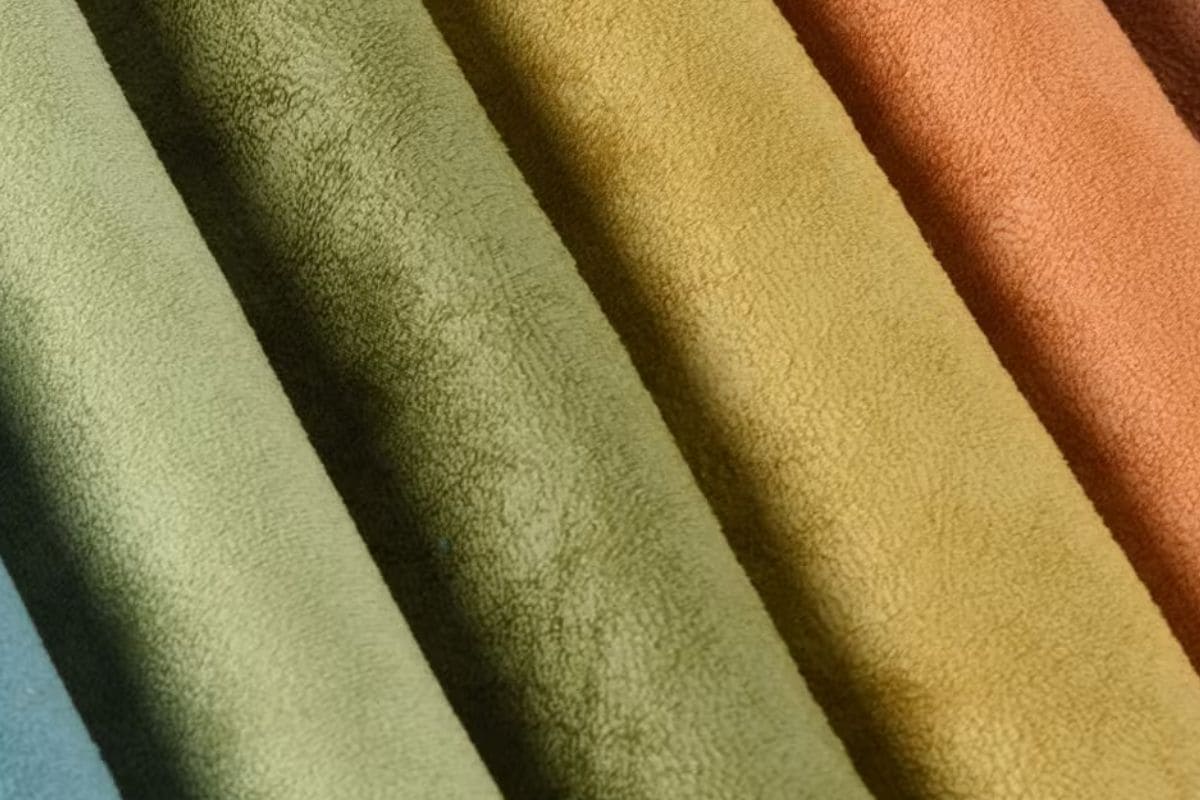
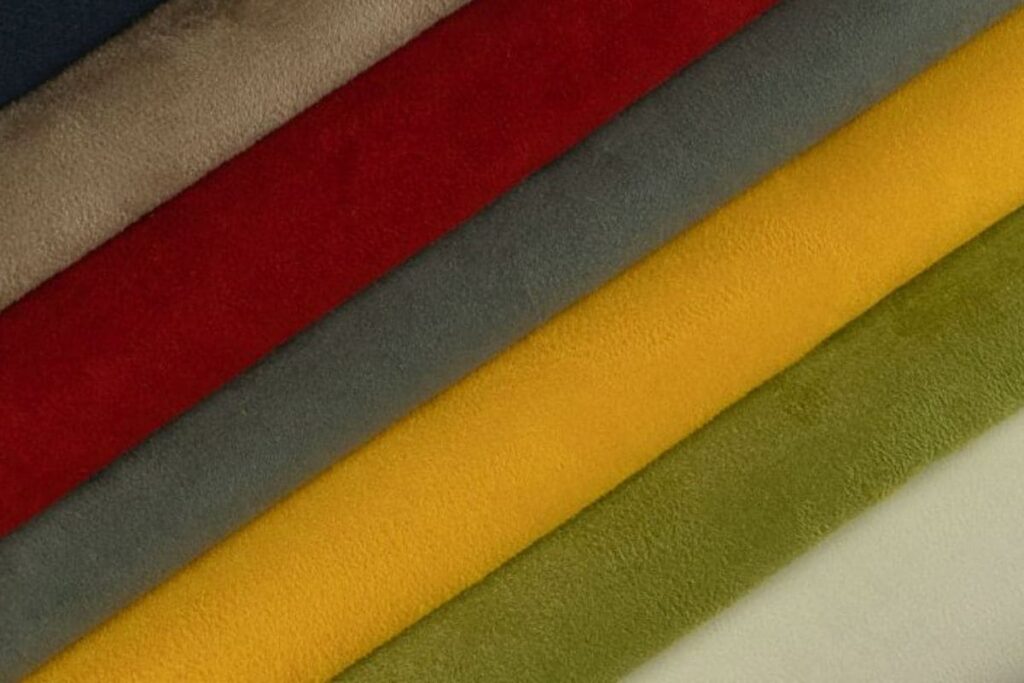
    Faux suede is a type of fabric made to imitate the feel and appearance of real suede leather. It is commonly referred to as synthetic suede or microsuede. Faux suede is relatively cheaper, long lasting, and easier to clean compared to real suede. It has a brushed, soft texture, and satin sheen.

    What Is Faux Suede Made Of?

    A synthetic fiber like polyester is the most popular source of faux suede. It can also be derived from mannequin or a mixture of mannequin and polystyrene. These plastic fibers are loosely woven, and then brushed to produce a soft nap.

    Important features: Buff Nap

    • Polyester: offers flexibility as well as resistance to stain and abrasion.
    • Polyurethane (optional): improves stretchability and enhances leather-like feel.

    This blend makes faux suede smooth, easy to wear and breathable, which is why it is ideal for upholstery, clothing, and accessories.

    Faux Suede vs. Real Suede

    FeatureFaux SuedeReal Suede
    SourceSynthetic (Polyester/PU)Natural (Animal Hide)
    TextureSoft, consistentSoft, slightly varied
    DurabilityMore resistant to wear/stainsLess resistant
    MaintenanceEasy to cleanRequires special care
    PriceMore affordableGenerally more expensive
    Eco/Cruelty-FreeYesNo

    Common Uses of Faux Suede

    Faux suede is one of the most versatile materials nowadays its used in different industries such as:

    • As upholstery fabric: it is used in couches, easy chairs, and car seats because of their strength and stylish appearance.
    • Fashion industry: it is used in jackets, skirts, boots and handbags.
    • Home decorations: present in cushion covers, curtains and throws.
    • Arts and crafts: Faux suede is easy to work with which makes it suitable for arts and crafts.

    Caring for Faux Suede

    It is easier to take care of faux suede as compared to real suede. Follow the steps to take care of the material:

    • Spot cleaning using mild soap and water is allowed.
    • Do not soak the fabric as it can ruin the texture.
    • If the fabric becomes crushed, use a soft brush to restore the nap.
    • Warping the fibers can occur through direct sunlight or other heat sources, so avoid those.

    Conclusion

    Faux suede is a cost-effective, ethical, and trendy substitution for real suede. It’s great for elegant charm or practicality while reupholstering couches and getting chic jackets. It is perfect for modern consumers due to its softness and durability.

    Frequently Asked Questions (FAQs)

    1. Is faux suede waterproof?

    Faux suede has some water resistance but is not completely waterproof. Stains can set in if spills are not cleaned immediately.

    2. Does faux suede peel or crack over time?

    It will not peel or crack while enduring proper maintenance as cheaper synthetic leathers do.

    3. Can faux suede be machine washed?

    Refer to the label. Most faux suede should be spot cleaned to sustain its texture, but some can be washed on a lenient cycle.

    4. Is faux suede breathable?

    Yes, when upholstered on furniture or used in clothing, faux suede items are breathable and comfortable.

    5. Is faux suede suitable for pets?

    Yes, it is a pet-friendly material as it withstands fine scratches, but it tends to accumulate pet fur.

  • Crepe Fabric: Texture, Material, and Uses Explained

    Crepe Fabric: Texture, Material, and Uses Explained

    What is Crepe Fabric?

    What is Crepe Fabric

    Crepe fabric has a unique crinkled or pebbled texture. It was originally made from silk, but nowadays, it is produced from fibers such as polyester, wool, rayon, and cotton. Crepe fabric is incredibly light, breathable, and offers a beautiful drape, making it a popular choice in fashion and home decor.

    “Crepe” is a term that describes the weaving technqiue, not a specific material that can only refer to a specific fiber blend or finish which is why there are numerous types of fiber blends and finishes.

    Crepe Fabric Texture

    From all other types of fabric, the texture of crepe fabric sets it apart best. A bit harsh surface and often dull or wrinkled in look. This is as a result of the application of high-twist yarns and/or chemicals that add that ‘crisp’ feel the fabric has.

    It has other different types too like:

    • Soft crepe – Very smooth and flowing.
    • Hard crepe – More structured and rough around the edges.
    • Stretch crepe – Has spandex making it more flexible.

    Types of Crepe Material

    Crepe material comes in different forms based on its fiber content and weave:

    TypeFiberDescription
    Silk CrepeSilkLuxurious, flowing with a soft sheen
    Polyester CrepePolyesterDurable, wrinkle-resistant, budget-friendly
    Wool CrepeWoolWarm, structured, suitable for tailored garments
    Crepe de ChineSilk/PolySmooth, lightweight, elegant
    Georgette CrepeSilk/PolySheer, bouncy with a matte finish

    Each type of crepe clothing material suits different applications, from evening gowns to office wear.

    Uses of Crepe in Clothing

    One of the outstanding characteristics of crow fabric is its pleasing fall and exquisite look, which makes it popular in the apparel industry. Common uses include: pantalon and pliable skirt

    • Dress and gown
    • Blouse and shirt
    • Pants and skirt
    • Scarf and pashmina
    • Evening wear and incoming bridal gown

    Due to its durability and lightweight, crepe works well for both formal and informal attire.

    Caring for Crepe Clothing Material

    Appropriate attention of the item varies with the fiber composition:

    • Silk crepe: Hand wash or dry clean only.
    • Polyester crepe: Machine wash with cool water and tumble dry on low.
    • Wool crepe: Best dry cleaned.

    Following the care instructions helps retain the fabric’s shape and extend its life.

    Conclusion

    Crepe fabric is an outstanding textile that brings out beauty, texture and practicality. It is ideal for flowing evening gown or a comfy blouse as it is versatile in style and season. Preferred by high end fashion and everyday living, its unique surface and varying types ranging from silk to polyester makes crepe cherished.

    Frequently Asked Questions (FAQs)

    1. Is crepe fabric suitable for summer? 

    Warm weather is fine for lightweight crepe made from natural fibers like cotton or silk, as they are breathable and comfortable.

    2. Does crepe fabric wrinkle easily?

     Crepe is naturally textured, and smooth fabrics sometimes wrinkle, especially synthetic blends. It is known to resist wrinkles better.

    3. Can crepe fabric stretch?

     Stretch crepe and some other types of crepe fabrics have elastane added to increase the stretch and comfort.

    4. Is crepe fabric expensive? 

     It depends, silk crepe is more expensive while polyester crepe is cheap and readily available.

    5. What is the difference between crepe and chiffon?

     Chiffon is extremely lightweight and sheer whereas crepe is heavier and has more texture.

  • The Versatile Elegance of Silk: Uses and Characteristics

    The Versatile Elegance of Silk: Uses and Characteristics

    The Versatile Elegance of Silk

    Silk has to be one of the best luxurious types of natural fiber known to man. Because of how soft, shiny and strong it is, it has been a textile staple for thousands of years. Even with the evolving fashion trends and the introduction of synthetic textiles, silk would still be regarded as one of the most prestigious fabrics due to its unparalleled qualities.

    What is Silk Fabric?

    It is a natural protein fiber, primarily created by silkworms from the Bombyx mori species, and silk is one of the fabric used all over the world, including the USA. Countries like the US buy silk from all over the globe for fashion, and decoration purposes. Silk is also used for industrial purposes. When woven into textiles, silk fabric has a smooth and glistening texture and is used in several types of clothes.

    Historical Uses of Silk

    So, what was silk used for in ancient times?

    It was exclusively used in China over 5000 years ago. First it was preserved only for royal family members then it became a significant product for trade especially on the Silk Road.

    The historical uses inclused:

    • Currency for silk trade
    • Royal and ceremonial gowns
    • Religious and political paintings
    • Decorating furniture in rich households

    Modern-Day Uses of Silk

    Today, what is silk used for?

    Silk has adapted well to modern needs. While fashion remains a dominant market, its utility spans several industries:

    Use CaseDescription
    ClothingDresses, ties, scarves, shirts, lingerie due to its soft drape and elegance
    Home décorCurtains, pillowcases, upholstery for a touch of luxury
    BeddingSilk sheets and pillowcases for skin and hair benefits
    Medical usesBiocompatible silk used in sutures and tissue engineering
    Cosmetics & careSilk proteins added to skin and hair products for softness and hydration

    Cotton Silk Fabric

    Cotton silk fabric is a top rate mixed fabric that mixes the natural softness of cotton with the subtle sheen of silk. This material isn’t always best gentle on the skin but additionally fairly breathable, making it comfortable to wear in all seasons. Its lightweight texture and elegant look make it appropriate for each ethnic and modern-day outfits. If you’re looking for a fabric that offers consolation along side a wealthy, steeply-priced sense, cotton silk material is an excellent choice.

    Key Characteristics of Silk

    Identifying silk’s tangible features explains why it has remained popular over time:

    • Luster: Shinning, lustrous beauty owing to the underlying structure in the form of triangular prism.
    • Softness: Very smooth and pleasurable to touch and rub on the skin.
    • Strength: An exceptionally strong natural fiber.
    • Elasticity: Flexible and a little bit stretchable.
    • Hypoallergenic: Typically protects against dust mites, and mold.

    These characteristics not only allow silk to gain recognition in the fashion industry, but also in health and wellness sectors.

    Silk Fabric in the United States

    In the US, silk holds a solid market share in luxury clothing lines as well as in fashion bedding. The amount of silk fabric being brought into the country is still considerably high because of the need for high standard materials for clothing and decorating houses. Silk is preferred by American designers because of its hand, particularly for bridal gowns, evening dresses, and other couture.

    Conclusion

    Silk still maintains its high regard as a symbol of elegance and usefulness. Its enduring attractiveness and its multi functional properties, have made it one of the natural fibers that are most treasured, whether found in ancient robes or modern bedrooms. From the historical uses of Silk to its pivotal place in contemporary textile industry, silk is a fabric that transcends trends.

    Frequently Asked Questions (FAQs)

    1. Which products still use silk today?

    Silk finds modern applications in clothing, pillows, luxurious home furnishings, and even in the medical field as surgical sutures.

    2. Why is it that silk indicates high social class?

    Silk is expensive due to its smooth surface, natural shine and scarcity in the market.

    3. Is silk suitable for one’s skin?

    Silk retains moisture on the skin, and is breathable and hypoallergenic, making it ideal for pillows and beddings, so yes.

    4. What is the process of making silk?

    Silk comes from the cocoons of silkworms which are processed into long strands by being boiled and unwound to be woven into fabric.

    5. Who are the top buyers of silk fabric?

    Japan, Europe, and the United states are some of the biggest luxury goods market silk fabric consumers and import it in bulk.

  • The Ultimate Guide to Different Types of Cotton Fabric

    The Ultimate Guide to Different Types of Cotton Fabric

    Cotton ranks high among the most common and adaptable fabric materials on the market. It serves a wide range of purposes such as everyday apparel or even used in textile bedding, cotton is favored throughout the sector for its softness, breathability, and toughness. However, cotton fabric types differ from one another. This guide aims to provide information on the various types of cotton fabric, their applications, and provide tips on how to best choose the appropriate one suited for your needs.

    What is Cotton Fabric?

    What is Cotton Fabric

    A type of textile obtained from the fibers of a cotton plant, cotton fabric is soft and fluffy. Cotton is known to be:

    • Moisture-wicking honest
    • Hypoallergenic
    • Soft and cozy
    • Breathable

    Cotton fabric has been employed around the globe for centuries due to its versatility and ease of cleaning.

    Types of Cotton

    There are several species and grades of cotton, with varying quality:

    TypeDescriptionOrigin
    Upland CottonMost common, used in everyday clothingUSA, India
    Egyptian CottonExtra-long staple, luxuriousEgypt
    Pima CottonSoft and strong, similar to EgyptianUSA, Peru
    Organic CottonGrown without chemicalsWorldwide
    Desi Cotton (Indian)Indigenous, hardy, used for khadiIndia

    Different Types of Cotton Fabric

    Here are the most popular cotton fabric types and their characteristics:

    Fabric TypeFeaturesCommon Uses
    MuslinLightweight, loosely wovenBaby clothes, curtains
    VoileSheer and softDresses, blouses
    CambricFine and smoothShirts, handkerchiefs
    PoplinCrisp and durableUniforms, formal wear
    DenimHeavyweight twillJeans, jackets
    FlannelSoft, brushed texturePajamas, winter wear
    PercaleTight weave, matte finishBed sheets
    SateenSmooth, lustrousLuxury linens
    LawnFine, semi-transparentDresses, scarves
    KhadiHandspun, handwovenTraditional Indian wear


    Uses of Various Cotton Fabrics

    The versatility of cotton allows for the use in a range of industries such as:

    • Fashion: Tops, t-shirts, jeans, dresses
    • Home textiles: Bed sheets, towels, curtains
    • Medical: Non woven surgical gauze, bandage
    • Industrial: Canvas and tarp

    Top Cotton-Producing States in India

    India is one of the largest producers of cotton. The top cotton-producing states include:

    StateKey Features
    GujaratLargest producer; famous for BT cotton
    MaharashtraMajor cotton-growing area with large mills
    TelanganaHigh yield with modern techniques
    PunjabKnown for high-quality cotton
    RajasthanSignificant producer with traditional farming

    Conclusion

    Making a decision on what type of material to use heavily relies on the user’s needs. In this case, whether its looking for comfort, style, or durability, Understanding the differences can assist in making informed choices designing apparel, purchasing home textiles, or fabrics for business.

    Frequently Asked Questions (FAQs)

    1. What cotton fabric is ideal for summer? 

    Voile, lawn, and muslin are good types because they are lightweight and breathable.

    2. How can I tell if cotton is of high quality?

    Look for long staple fibers, tight weave, and a smooth finish. Premium quality cotton includes Pima and Egyptian cotton.

    3. Is organic cotton better than conventional cotton?

    Yes. This type of cotton is grown without toxic chemicals, so it is better for the environment as well as for skin and dermatological issues.

    4. Which cotton fabric is ideal for bedsheets?

    Percale and sateen are well known for their comfort and durability when used in bedsheets.

    5. What is khadi cotton?

    Khadi is a traditional Indian cotton which is handspun and handwoven, promoting sustainable practices.


  • Plain Weave: Structure, Examples, and Uses

    Plain Weave: Structure, Examples, and Uses

    An example of one of the most basic textile weaves utilized in the whole of India and is internationally is the plain weave. It is highly valued for its strength and simplicity, thus it finds its application in fashion, home décor, and industrial sectors. This article covers what plain weave is, how it works, its structure, and practical examples while optimizing for SEO phrases like “plain weave fabric,” “plain weave structure,” “plain weave examples.”

    What is Plain Weave?

    What is Plain Weave

    Plain weave is the easiest and most popular stitch utilized in textile production. It requires alternatively interlacing warp and weft yarns, whereby each weft thread goes over one warp thread and under the succeeding one.

    This fundamental over-and-under technique produces flat, strong, and tightly woven fabric. Items such as cotton, polyester, silk, and linen are usually used for plain weave.

    Plain Weave Structure

    The structure of plain weave is highly uniform and balanced, providing durability and firmness. Here’s a basic breakdown of its structure:

    ElementDescription
    Weave PatternOver one, under one
    Warp YarnRuns vertically on the loom
    Weft YarnRuns horizontally and interlaces with warp
    AppearanceCheckerboard-like, tight weave
    PropertiesDurable, wrinkle-resistant, firm surface

    Plain weave fabrics are less likely to snag and are generally inexpensive to produce, making them a go-to option for bulk textile production in India and beyond.

    Examples of Plain Weave Fabric

    Different types of plain weave fabrics are widely used in India and other parts of the world. A few of them are listed below:

    • Cotton Muslin – A type of cotton fabric known for its light weight and breathability. It is often used for nursing infant clothes and summer clothes.
    • Chiffon – This type of fabric is largely used for women’s ethnic and Western dresses because of its sheer nature.
    • Organza – Used widely in the bridesmaid industry, it is stiff and transparent.
    • Taffeta – It has a crisp texture and is ideal for evening gowns and other formal wears.
    • Poplin – It has a high durability and is smooth which makes it ideal for shirts and even uniforms.

    Advantages of Plain Weave

    • Durability – Higher strength because of the strong interlocking pattern.
    • Ease of manufacture– A very simple design making it ideal to mass produce.
    • Versatility– Plain weave can be done with any yarn type.
    • Wrinkle resistance– The fabric keeps its shape well and wrinkles very lightly.
    • Low cost– Plain weaves are less expensive to make than intricate weaves.

    Applications of Plain Weave in India

    The vibrant Indian textile industry employs plain weave fabrics in a sheer number of both contemporary and traditional applications. Some notable uses include:

    • Apparel: sarees, kurtis, shirts, and trousers.
    • Home Textiles: curtains, bed linens, and cushion covers.
    • Industrial Use: filter fabrics, medical gauze, and scrim.

    Bindy Enterprises’ market research indicates that India is one the most important plain weave fabric producers in the world, and so, remains a key industrial plain weave manufacturer.

    Conclusion

    Plain weave is a fundamental method of textile plain weaving anything from cotton to muslin or even industrial fabrics and planar constructions is known for its essences strength and versatility. Working with cotton muslin in traditional garments obporaus knife sutra with synthetic fibers for industrial applications can always rely on plain weave,providing cost-effective solution. Its well-balanced structure and great versatile usages in combined with fashion, home accessories, and technical textiles make this weave widely preferred.

    Frequently Asked Questions (FAQs)

    1. How does plain weave differ from other weaves?

    With its straightforward one-over-one-under structure, plain weave differs from twill and satin weaves which are more intricate and incorporate some form of diagonal and glossy effects.

    2. What is the suitability of plain weave for heavy duty use?

    Exactly that, its closeness in structure gives strength which makes it useful for industrials and heavy wears such as upholstery, technical curtains and other fabric composites.

    3. Can plain weave be applied with synthetic fibers?

    Without a doubt. Synthetic materials such as polyester and nylon make plain weave stronger and water resistant, making them excellent candidates.

    4. What is the reason for the popularity of plain weave in Indian textiles?

    Its well known in Indian industry as its easy to produce, uses many types of yarn and its cost effective.

    5. Is fabric made from plain weave breathable?

    Carefully fabricated with natural fibers like cotton, plain weave is breathable too.

  • Stain Resistant Fabric in India: Uses, Benefits & Complete Guide (2026)

    Stain Resistant Fabric in India: Uses, Benefits & Complete Guide (2026)

    Introduction

    What is Stain Resistant Fabric

    In India, there is an increasing need for substances that resist stains. From metropolitan residential regions to upscale hotels, stain resistance is becoming increasingly popular in textiles. This guide will provide insights into the major factors concerning stain resistant materials such as their uses, advantages, and relevance to the Indian market.

    What is Stain Resistant Fabric?

    Stain-resistant fabric is specifically designed to resist soiling, making cleaning and maintenance easier. Manufacturers create these fabrics by applying a stain-resistant coating that prevents liquids and dirt from penetrating the fabric.

    Top Applications in India

    Here are some popular uses of stain resistant fabric in India:

    ApplicationDetails
    Home FurnishingsSofa covers, curtains, and dining table cloths
    School UniformsDesigned to resist food and ink stains
    Hospitality IndustryHotels and restaurants use them for bedding and upholstery
    Automotive InteriorsCar seat covers and interior trims
    Medical and HealthcareUsed in hospital bedsheets, curtains, and uniforms for hygiene and durability

    How Stain Resistance Works

    Manufacturers create a water- and oil-resistant barrier by chemically treating fabrics or using synthetic fibers such as polyester. This barrier prevents stains from penetrating deeply into the fabric.

    Two Main Methods:

    • Coating with a Stain-Repellent Finish Ex. Teflon
    • Use of Synthetic Fibers with Built-in Resistance

    Types of Stain Resistant Materials

    Here are some popular stain resistant materials in India:

    MaterialProperties
    Polyester BlendsDurable, moisture-resistant, widely used in home and office furnishings
    NylonLightweight, strong, often used in uniforms and upholstery
    Olefin (Polypropylene)Water-resistant, UV-resistant, used in outdoor furniture
    Acrylic FabricSoft, wool-like texture, often treated to resist stains

    Why Choose Stain Resistant Fabric in India

    • Cost Efficient– Saves time and money by reducing the frequency of cleaning.
    • Ideal for Indian Cuisine– Oil and spice stains are repelled.
    • Low Maintenance– Great for families with children or animals.
    • Climate-Friendly– Performs well if the environment is humid and dusty.

    Top Indian Brands Offering Stain Resistant Fabrics

    1. Asadeep Furnishing– Offers polyester blends with stain resistant features.
    2. D’Decor– Renowned for their sofa and curtain fabric collections.
    3. Siyaram’s– Offers stain resistant school uniforms.
    4. Raymond– Integrates stain resistant technology on suiting fabrics.
    5. Bombay Dyeing– Known for textiles for household use, durable, easy to clean.

    Care and Maintenance Tips

    • Avoid Bleach: This can allow the protective coating to break down.
    • Use Mild Detergents: Stain resistant finish can be maintained.
    • Fabric must be Dried in Shade: Avoid damage by UV rays to the fabric surface.
    • Iron on Low Heat: Stain resistance can be affected by high heat.

    Conclusion

    The development of stain resistant fabric has become a perfect addition in Indian homes, offices and commercial spaces. Its repelling capabilities of spills along with everyday stains makes maintenance to a minimum across domains. Stain resistant materials serve their purpose effectively whether it is furnishing, uniforms or home decorations. As these textiles are in demand in India, stain resistant fabric becomes a wonderful opportunity for contemporary living.

    Frequently Asked Questions (FAQs)

    1. What makes a fabric stain resistant?

    Coating or synthetic fibers aids in preventing the soaking of liquids and dirt into the fabric.

    2. What about the safety of stain resistant fabric for kids and pets?

    Absolutely. The majority of treatments used to make fabrics stain resistant are non-toxic and are safe to use.

    3. Is washing stain resistant fabric in machine an option?

    Yes, although it is advisable to stick to gentle detergents, avoid bleach and fabric softener.

    4. Where can I buy Stain resistant fabric in india?

    Stores like D’Decor and Asadeep Furnishing, Amazon, Flipkart and Fabriclore have them listed.

    5. Will it no longer be stain resistant after a certain point in time?

    Definitely, after a certain duration, frequent washing, and usage, the coating may loss effectiveness. But it is possible to spray on reapply coats.

  • What Is Boucle Fabric? A Quick Guide

    What Is Boucle Fabric? A Quick Guide

    What Is Boucle Fabric?

    What Is Bouclé Fabric A Quick Guide

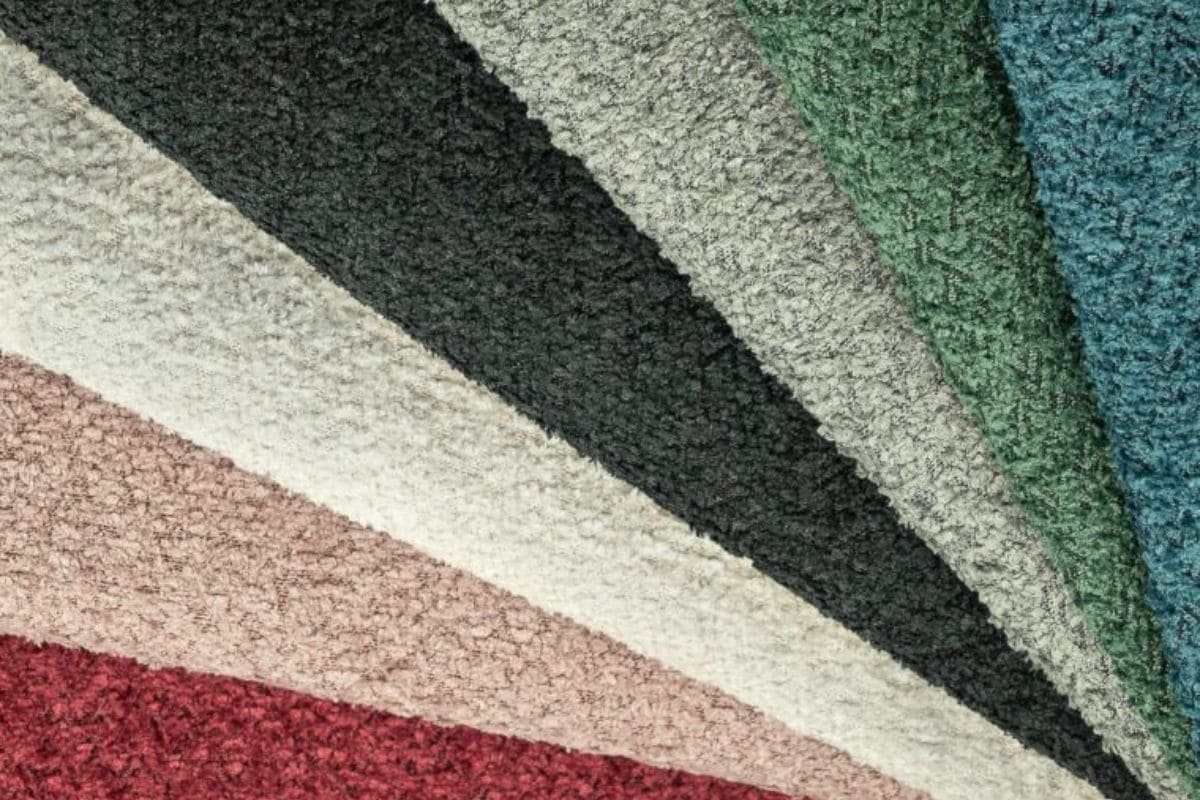
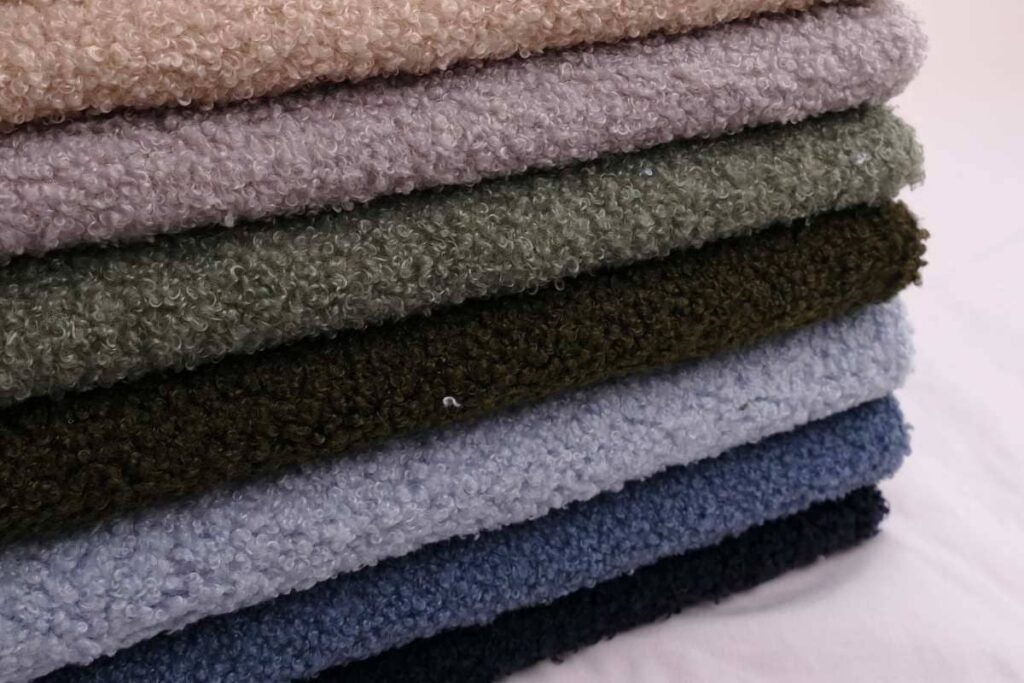
    Boucle is a type of fabric which has a looped or a blurbous surface and is considered to be a textured fabric. The word boucle has been taken from the French word which means ‘curled’ or ‘looped’ and this is how the terms is defined in its artistic form. Boucle is famous for it’s feel and texture and is used widely in the fashion and textile world as well as for interior designing purposes.

    What Is Bouclé Fabric Made Of?

    The making of the boucle fabric starts with bouclé yarn which has loops of curly structures. This yarn comprises of many other fiber incorpoarating:

    • Wool – most bouclé fabrics are made out of wool.
    • Cotton – Known for comfort and providing smoothness.
    • Silk – Used as an artificial shine.
    • Acrylic or Polyester – Commonly used as a substitute for silk and wooldue to it’s price and life span.

    The threads are then knitted or woven into a fabric of cloth which is touchable, warm, and pleasing to the eye.

    Bouclé Upholstery: Style Meets Comfort

    The bouclé textile is now a household name because of the lavish feeling one gets while in contact with it. It is commonly used in sofas, arm chairs, and decorative pillows. Boucle upholstery provides an intricately decorative aspect to rooms which is not only visual but tactile and can be felt by touch.

    Benefits of Boucle Upholstery:

    • Soft Furniture Feelings– Provides a luxurious embrace without requiring extreme carefulness.
    • Tough as Old Boots – Especially when mixed with man made materials.
    • Free of Noise – Absorbs sound and makes sure the room is quiet.
    • Absorbs Class – Blend in effortlessly with modern and vintage decor.

    People are Using Boucle all around the United States garb circle and seamless fit to cozy home setting. The American Struggles of commuting constantly adds up and requires a getaway like their home. Boucle does justice to their needs.

    Commonly Used In US

    • Furniture deigned in Mid-century modern style
    • Chairs and Stools
    • High-end Back to School Fashion

    Boucle’s adaptable nature and understated appeal have made it exceptionally popular in mid century american interior design. As Americans spend more time at home, there is an increased need for comfortable yet stylish interiors, and bouclé furniture fulfills that demand.

    Most Common Uses In The U.S. Include:

    • Mid-century modern furniture
    • Accent chairs and ottomans
    • Winter coats and high fashion apparel

    Conclusion

    Boucle is not just a passing fad; it is an enduring fabric renowned for its cozy texture and adaptability. Whether it is upgrading your upholstered furniture with warm, cozy bouclé fabric or sporting a chic bouclé jacket, this timeless fabric offers both opulence and practicality. It is becoming increasingly apparent that bouclé is a wise investment for design aficionados and pragmatic users with rising consumer demand in the United States and other countries.

    Frequently Asked Questions (FAQs)

    1. Where is bouclé fabric used?

    Bouclé fabric is used in the fashion industry for jackets, skirts, and coats. It is also used in home decor for sofas and chairs.

    2. Is bouclé fabric strong and long lasting?

    Indeed. Boucle fabric is especially strong when blended with sythethic materials and is resilient logrudnsyltnilybleve s shaped support.

    3. How hard is it to maintain bouclé upholstery?

    To some extent, maintaining bouclé fabric is easy. Regular vacuuming and spot cleaning help in maintaining its freshness.

    4. Does bouclé fabric irritate the skin?

    People with sensitive skin may feel slightly irched with wool boucle however cotton and synthetic versions are gentler on the skin.

    5. What has led to the heightened popularity of bouclé?

    Its continued references to comfy, timeless makes bouclé sought after for designersin need of friendliness, softness and appeal without being context pecific.

  • China Fabric and Its Growing Demand in India

    China Fabric and Its Growing Demand in India

    Introduction

    The textile industry is continuously changing and one thing that stands out is how Chinese fabric is gaining traction in India. Known for its affordability, variety, and mass production, Chinese fabric is becoming a preferred choice for Indian businesses and designers alike.

    Why India is Importing China Fabric

    Why India is Importing China Fabric

    Even as India stands as a global textile hub, there is still a considerable amount of Chinese fabric being imported. Here’s why:

    • Economy: The economies of scale allows them to produce fabric at a far lower price.
    • Options: From silk to synthetic, the breadth of options is unmatched.
    • Shipping Efficiency: The shipping infrastructure set in place between India and China is well-established.

    Popular Types of Chinese Fabric in India

    The Indian market favors the following types of Chinese materials:

    Fabric TypeFeaturesUse in India
    PolyesterDurable, low-costApparel, linings
    SilkLuxurious, lightweightSarees, bridal wear
    SatinGlossy, smoothParty wear, occasion outfits
    RayonBreathable, affordableCasual wear, kurtis
    Blended FabricsMixed fibers for flexibilityMass-produced garments

    China Fabric Suppliers

    China is one of the world’s largest hubs for textile and material manufacturing, offering thousands of dependable providers for cotton, polyester, denim, knit, sports clothing materials and extra. Many international brands supply their fabrics immediately from China due to excessive great, aggressive pricing, superior machinery and strong exporting talents. Leading groups like Shenzhou International, Texhong Textile Group and Weiqiao Textile supply fabric international with steady great and fast production. Below is a beneficial table listing some of the maximum depended on fabric suppliers from China.

    Top China Fabric Suppliers List

    Supplier / CompanyLocation / SpecializationKey Products / Strengths
    Shenzhou InternationalChina — large-scale manufacturerKnitwear, high-quality knitted fabrics, suitable for large orders
    Texhong Textile GroupChina — cotton & yarn expertCotton fabrics, yarn, core-spun yarns, premium weaving materials
    Luthai Textile Co., Ltd.China — premium shirt fabric leaderYarn-dyed fabrics, high-quality shirting materials
    Weiqiao Textile (Shandong Weiqiao Group)Shandong, China — one of the largest textile producersCotton, denim, blended fabrics; bulk export capacity
    Shaoxing Keqiao Deqi Import & Export Co., Ltd.Keqiao / Shaoxing — fashion & printed fabricsRayon, chiffon, digital prints, dyed fabrics
    Shijiazhuang Jiexiang Textile Co., Ltd.Hebei, China — functional & industrial textilesWeaving, spinning, dyeing; grey fabrics & finished fabrics
    Multiple Medium & Small SuppliersZhejiang, Guangdong, Jiangsu regionsPolyester, cotton blends, lace, fashion fabrics — good for small/MOQ buyers

    Future of China Material in the Indian Textile Market

    The prospects appear favorable due to:

    • The surge in fashion start-ups requiring affordable sourcing
    • Growth in the use of Chinese material for home décor items.
    • Demand from semi-urban and rural areas for economical fabric textiles.

    Chinese merchants must face local competition and varying government policies which may impact growth.

    Conclusion

    The presence of Chinese fabric has greatly increased in the Indian market. There is strong competition from Indian domestic industry, but the price, range, and stock of Chinese fabrics strengthen their position. Indian businesses need to identify the trends and develop their strategies on reliable manufacturers in China to sharpen their competitive advantage.

    Frequently Asked Questions (FAQs)

    1. What attracts India towards Chinese fabric?

    The low price, great variety, and easy availability makes it very suitable for these markets.

    2. What Fabrics from China are most used in India?

    Imports mostly consist of polyester, satin, rayon, and silk.

    3. Are fabric manufacturers from China credible?

    Yes, a number of manufacturers guarantee the quality of their product, bulk supplies, as well as delivery to India.

    4. Is it true that Chinese fabric is of better quality than Indian fabric?

    Not exactly, Indian fabrics take the lead in cotton and handlooms, whereas Chinese dominate the market for synthetics and blended materials.

    5. How do I go about importing fabric from China to India?

    One can simply order these products from the manufacturers through trade websites, or employ a sourcing agent who will take care of the shipping and customs.

  • 5 Types of Jute Fabric Explained (Uses, Benefits & How to Choose)

    5 Types of Jute Fabric Explained (Uses, Benefits & How to Choose)

    Types of Jute Fabric A Complete Guide to the Golden Fibre

    Introduction to Jute Fabric

    People often call jute fabric the “Golden Fibre” because of its natural golden sheen and its impressive environmental benefits. As an eco-friendly fabric, jute plays a key role in fashion, agriculture, and several other industries. However, there are multiple kinds of jute fabrics, each suited for specific purposes.

    What Is Jute Fabric?

    Jute is a product of the Corchorus genus. It has a soft, shiny texture and a golden glow. Furthermore, it is the second most cost-effective natural fiber, trailing only behind cotton in volume.

    Types of Jute Fabric

    Manufacturers classify jute fabric based on how they weave it, the treatments they apply, and its intended use. Here are the main types of jute fabric:

    Type of Jute FabricDescriptionPrimary Uses
    Hessian/BurlapLightweight, loosely woven jute fabricBags, sacks, decor
    SackingHeavy, coarse jute fabricIndustrial bags, sandbags
    CanvasTightly woven, stronger versionUpholstery, artist canvas
    Jute-Cotton BlendsMixed with cotton for softnessClothing, home textiles
    Decorative JuteDyed or printed for aestheticsTable runners, wall art

    Jute Fabric for Clothing

    Recent technological advancements have enabled jute to enter the world of fashion. Blending and softening processes now allow manufacturers to use jute to make:

    • Shirts made of jute cotton
    • Environment-friendly sarees
    • Jute blended jeans
    • Summer jackets and blazers

    These articles of clothing are eco-friendly and easy to wear, which makes them ideal for hot weather.

    Common Uses of Jute Cloth

    Jute cloth is very popular which makes it extremely application oriented. Other than garments it finds use in:

    • Sacks and gunny bags
    • Upholstery and decorations for the home
    • Geo textiles meant for soil erosion control
    • Rugs and mats
    • Wrapping and packaging items as gifts

    Key Properties of Jute

    Here are some notable characteristics of jute:

    PropertyDetails
    BiodegradableCompletely decomposes in soil
    DurableStrong enough for heavy-duty use
    BreathableAllows air circulation
    UV ResistantResists sun damage
    Low CostInexpensive to produce and process

    Conclusion

    From the above it is clear that jute fabric is an eco-friendly textile with multiple applications that is gaining prominence with the increasing global focus on sustainability. For fashion, decor, or packaging needs, jute’s admired for its sturdy nature, cost efficiency, and low environmental impact.

    FAQs – Types of Jute

    1. What are some of the different kinds of jute fabric?

    Hessian (Burlap), sacking, canvas, jute cotton blends and even decorative jute are some of the known types.

    2. Is jute appropriate for use in clothing?

    Absolutely. When manufacturers blend jute with cotton, they soften it, making it ideal for eco-friendly shirts, dresses, and jackets.

    3. What are some fabric made from jute? Is it sustainable?

    Yes, jute is fabrics that can be made out of it. Its also eco friendly because it is entirely biodegradable and renewable, on top of having not too many pesticides or fertilizers.

    4. What is the difference between hessian and sacking jute?

    Hessian is lighter and finer than sacking jute making it better for decorations. Meanwhile sacking is coarser and heavy duty material making it more useful for industrial purposes.

    5.How should jute fabric be cared for?

    Jute should be hand washed or gently machine washed in cold water. Avoid wringing or exposing it to excessive heat.

    6. What is jute material?

    Jute is a natural fiber acquired from the jute plant. It is green, biodegradable, and broadly used for making luggage, material, home décor items, and packaging merchandise.

    7.What is jute cloth material used for?

    Manufacturers typically use jute cloth to create sacks, rugs, mats, wall hangings, table runners, and eco-friendly fashion accessories.

    8. Where can I buy jute material online?

    Jute fabric is without difficulty available on on line marketplaces like Amazon, Flipkart, and specialized textile websites that provide jute fabric, threads, and handicraft substances.

    9. What is jute bag material?

    Jute bag fabric is a strong, durable woven jute fabric used to make eco-friendly buying baggage, present luggage, tote bags, and promotional luggage.

    10. What is jute raw material?

    Jute uncooked material refers to uncooked jute fibers harvested from the plant. Manufacturers clean, process, and spin these fibers into threads used for making jute material and other products.

    11. Is jute dress material comfortable to wear?

    Yes, jute-cotton combination get dressed fabric is breathable, lightweight, and cushty. Pure jute is normally stiff, however blended jute fabrics are soft and appropriate for garb.

    12. Where can I find jute material wholesale?

    You can find jute fabric wholesale providers in fabric markets, through industrial suppliers, and on bulk-buy platforms online. They offer rolls, bundles, and massive-quantity jute fabric at discounted fees.