Blog

  • Linen: Properties, Uses, and Importance in India

    Linen: Properties, Uses, and Importance in India

    Introduction to Linen

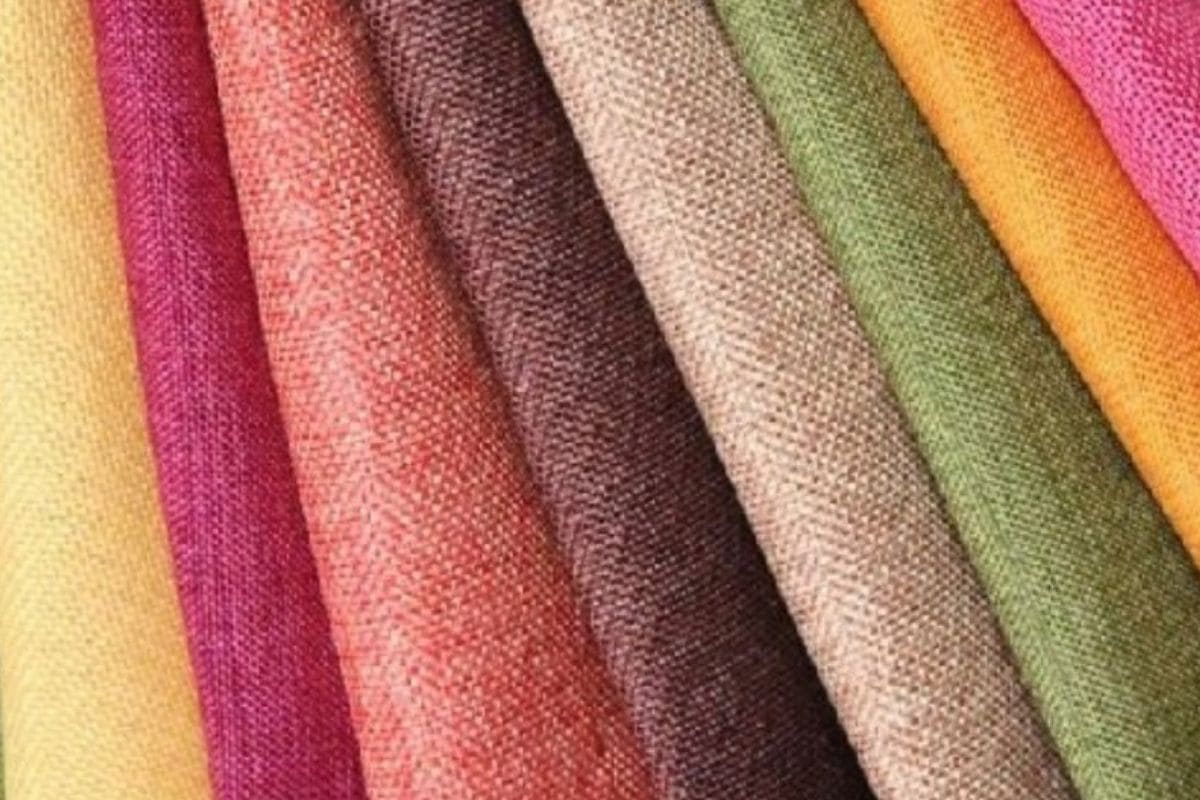
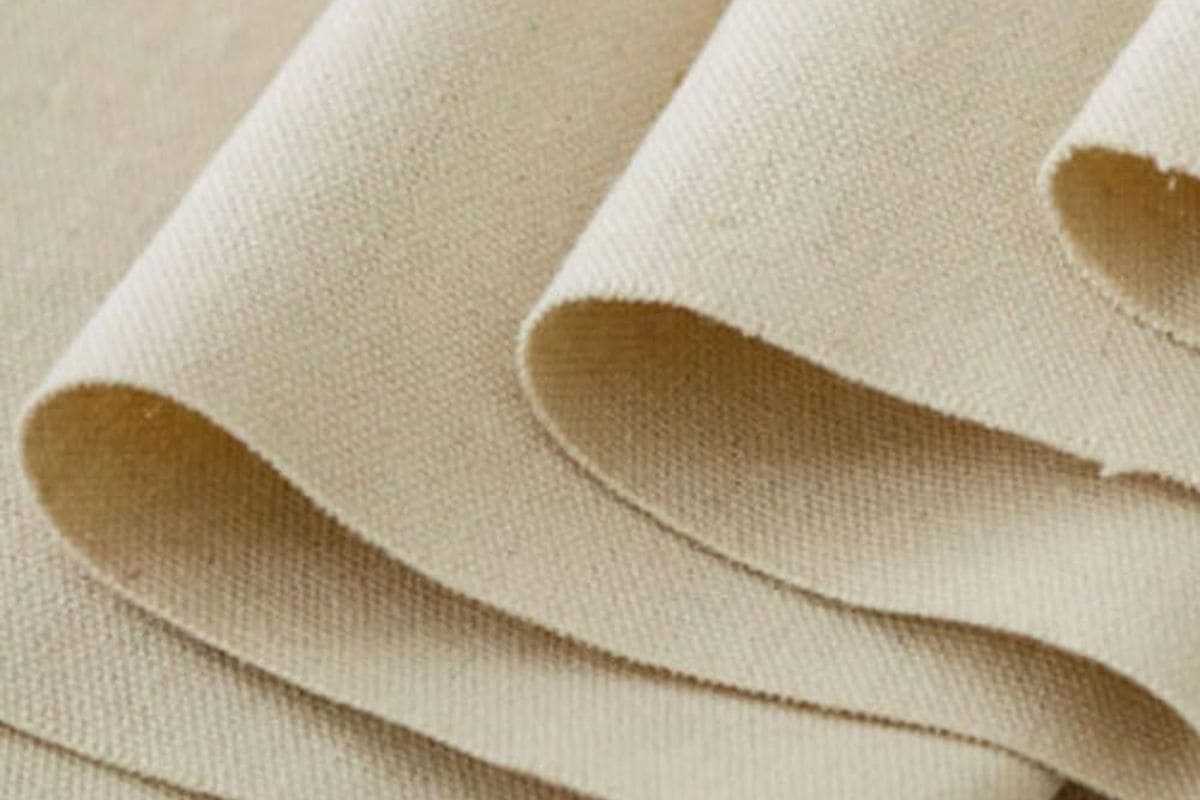
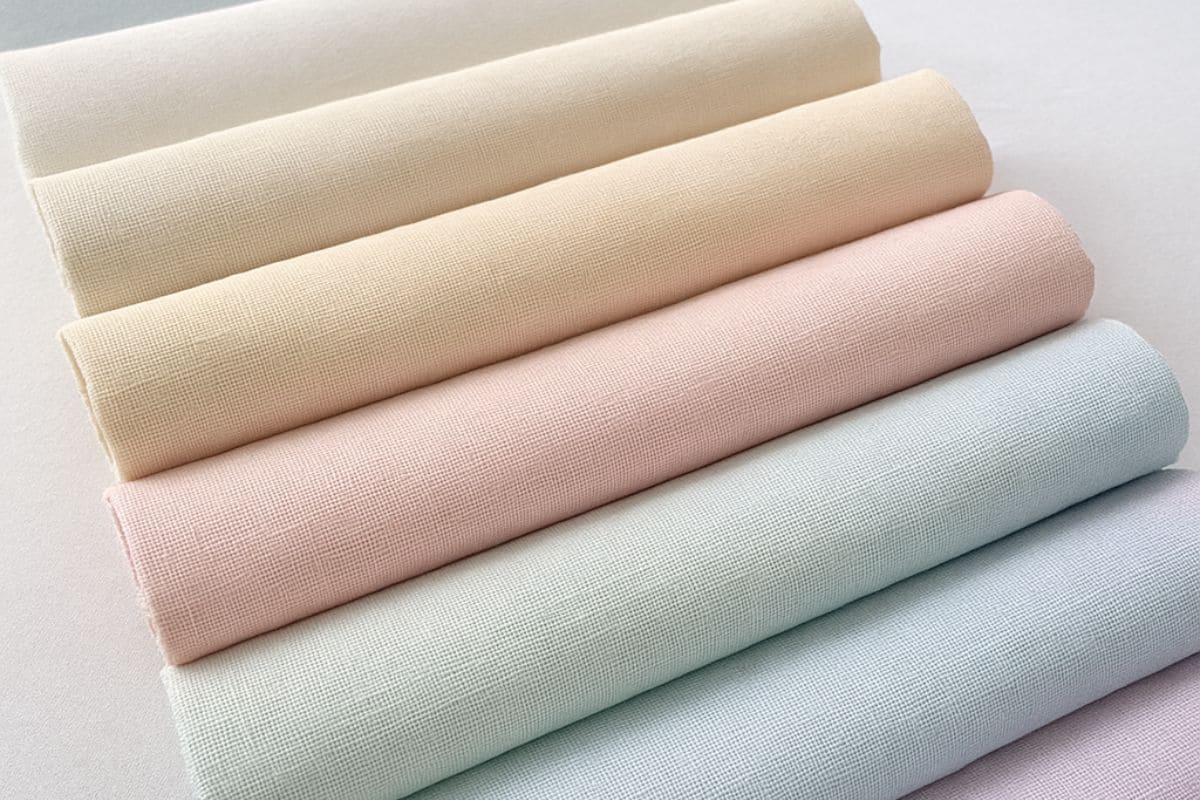
    Linen is a textile created by weaving threads obtained from the flax plant. Linen is one of the oldest types of fabrics in the world and today modern industries still regard it as a valued item because of its eco-friendliness, breathability, comfort, and strength. As sustainable fashion grows in demand, the applications of linen have drastically heightened, especially in India where modern and traditional uses both flourish.

    Linen Properties

    Linen’s unique properties make it a highly desirable fabric across industries. Here’s a quick overview:

    PropertyDescription
    BreathabilityAllows air to pass through, keeping the body cool
    Moisture-wickingAbsorbs moisture without feeling damp
    HypoallergenicIdeal for sensitive skin
    Biodegradable100% natural and eco-friendly
    DurableStronger than cotton; becomes softer with each wash
    ThermoregulatingKeeps cool in summer and warm in winter
    LightweightPerfect for summer clothing and home furnishing

    The above linen properties make it a top choice for clothing, upholstery, and even medical use.

    Uses of Linen
    Uses of Linen

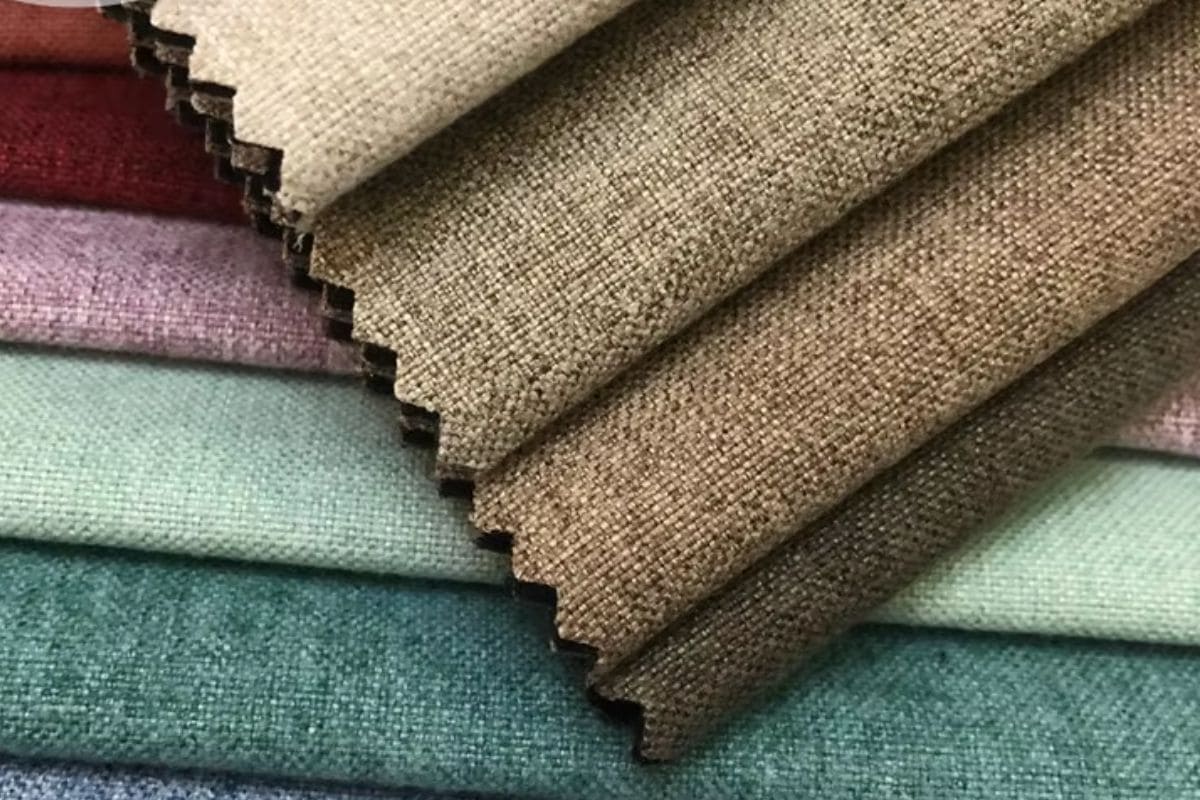
    The range of linen applications is vast and stretches over different fields. Listed below are some of the primary uses of linen.

    1. Apparel

    Loose fitting men’s and women’s linen shirts, trousers, and dresses are quite popular because of their chic style and comfortable fit. The fabric is very suitable for hot weather due to its natural texture and breathability.

    1. Home Furnishing

    The use of Linen Products like bed sheets, curtains, pillow covers and other upholstery is very common. Its resistance to dust makes it an ideal choice for a clean environment.

    1. Industrial Applications

    The durability of linen is useful in fabricating ropes, canvases and industrial filters.

    1. Medical Textiles

    Due to its hypoallergenicity and ability to absorb moisture, linen can be used in wound dressings and surgical bandages.

    1. Luxury Products

    Linen is often immensely valued by high-end fashion brands and home decor designers because it’s sustainable and sophisticated which makes it appealing to them.

    Linen in India: Market and Position

    In recent years, India has linen textiles. Though traditionally not a producer of flax, India imports considerable quantities of linen yarn and fabric. India’s linen industry is flourishing due to the:

    • Increased awareness towards sustainable fashion
    • High demand for lightweight garments during the summer season
    • Growing middle class and premium segment population

    Position of Linen in India Market:

    India is one of the fastest-growing consumers and processors of linen, with metro cities like Mumbai, Delhi, and Bangalore providing high market potential for linen sales.

    Conclusion

    The sophistication of linen extends beyond its feel; it creates an impression of an eco-friendly lifestyle blended with comfort and class. India especially benefits from linen due to its hot weather alongside fashion industry trends as it continues to hold dominion in fabric markets globally.

    Frequently Asked Questions (FAQs)

    1. What Items Can Linen Be Used For?

     Linen can be found in garments, household textiles, industrial goods, and medical goods as it is eco-friendly, strong, and breathable.

    2. What are the key properties of linen? 

    Linen fabric is extremely absorbent, hypoallergenic, and can withstand high demand which makes it thermoregulating and durable.

    Linen has been embracing newfound recognition in India, particularly in the clothing and furniture industries, because of its easy to wear and weather appropriate qualities.

    4. Why choose linen over cotton? 

    Unlike cotton, linen becomes softer with each wash without losing its durability, and more importantly, it’s equally gentle on the skin, stronger, and breathable.

    5. Is linen environmentally friendly?

     Indeed, linen is an environmentally friendly fabric as it is derived from flax which uses significantly less water than cotton and has a low requirements for pesticides.
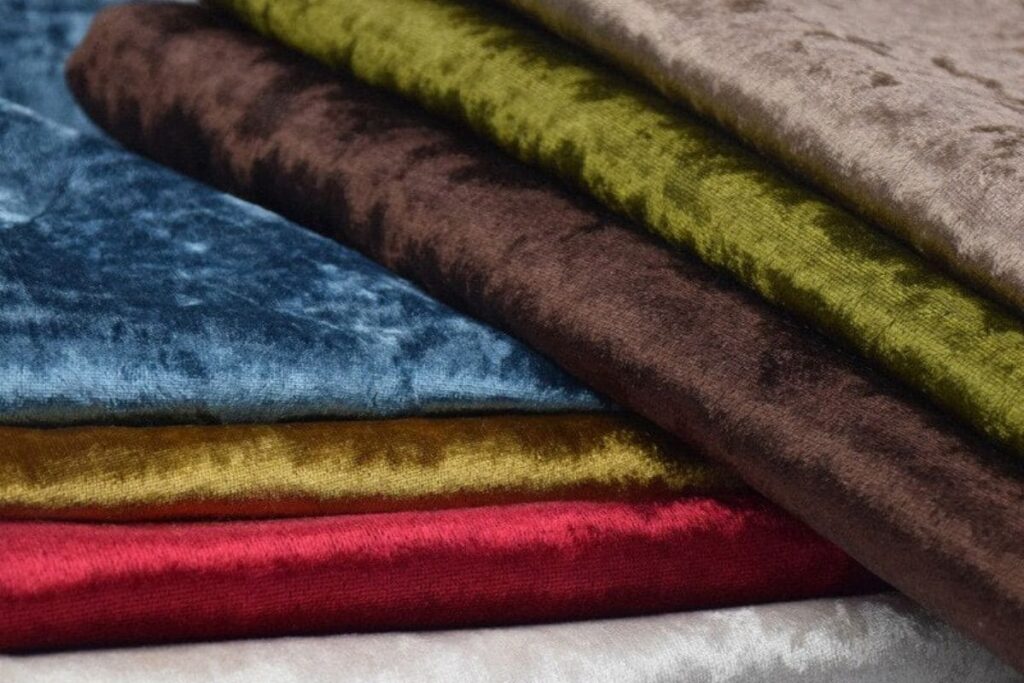
  • Crushed Velvet Fabric: Everything You Need to Know

    Crushed Velvet Fabric: Everything You Need to Know

    What is Crushed Velvet Fabric?

    Crushed Velvet Fabric Everything You Need to Know

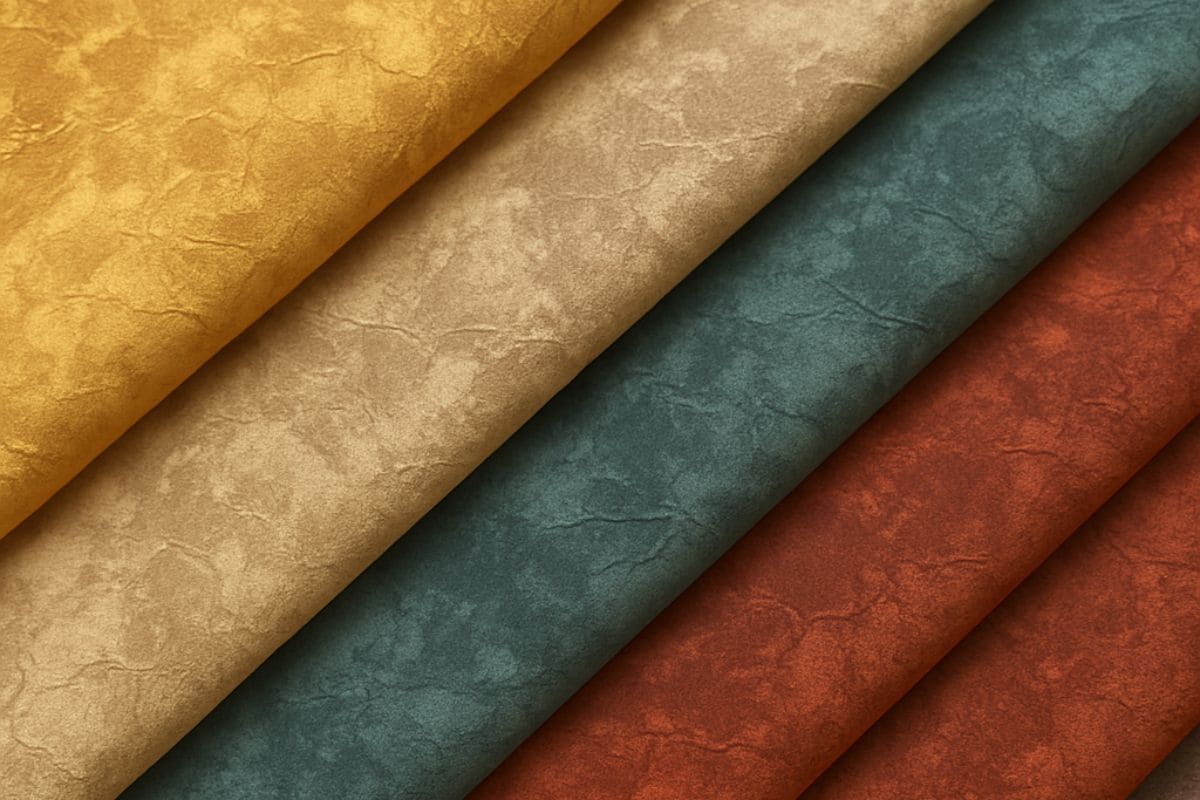
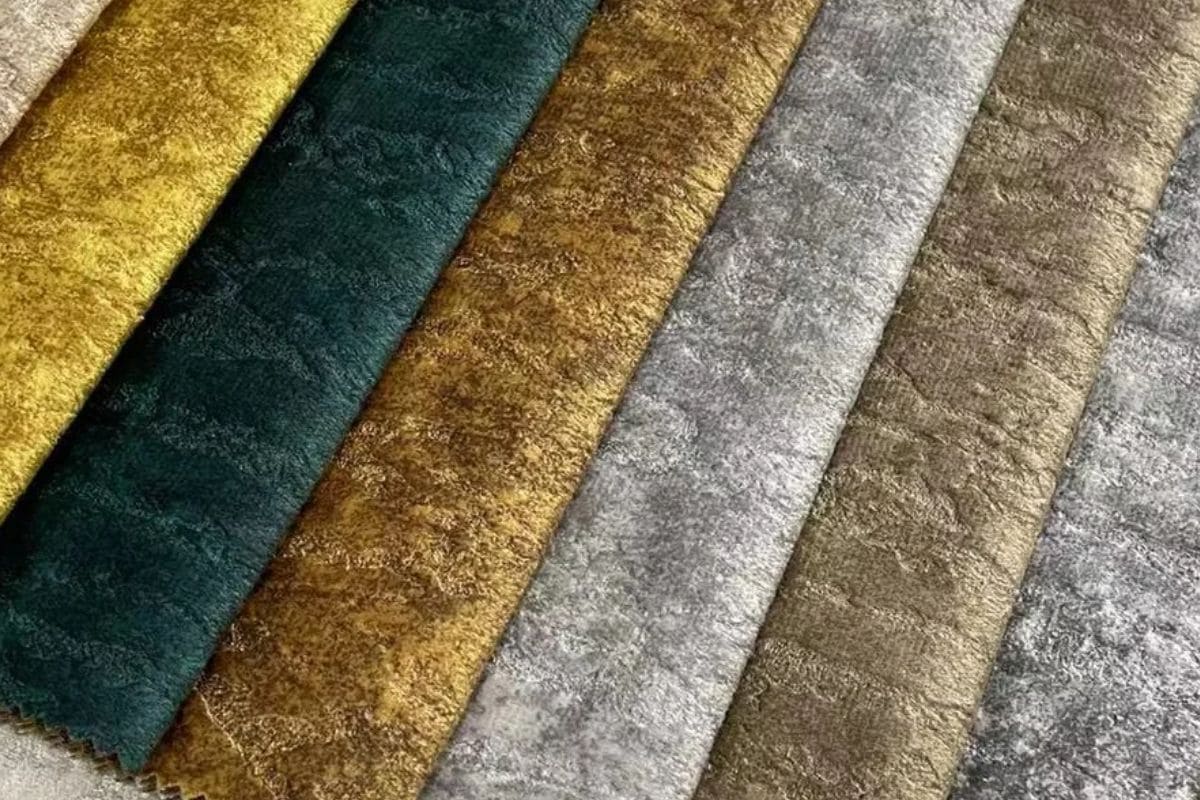
    A luxurious fabric with a soft texture and shimmering surface is known as crushed velvet. The fabric is press twisted or pressed while wet which creates the unique depths and patterns in the fabric.

    History and Origin

    Velvet is known to have been used during the middle ages and was associated with royalty. Crushed velvet is a newer innovation and was very popular during the 1990s. Recently it has made a strong comeback in both interior design and fashion.

    Manufacturing Process

    Also known as crushed velvet, it is made using synthetic or natural fibers like silk, polyester or rayon. The process consists of:

    • This creates the distinct crushed texture as well as irregular patterns.
    • Weaving the fabric with a dense pile.
    • Untwisting or pressing it while damp.

    Types of Crushed Velvet Fabric

    TypeCharacteristicsCommon Uses
    Polyester Crushed VelvetDurable, affordable, easy to dyeUpholstery, clothing
    Silk Crushed VelvetLuxurious, soft, expensiveHigh-end fashion, evening wear
    Rayon Crushed VelvetLightweight, soft drapeDrapes, scarves, blouses
    Blended FabricsCombines qualities of multiple fibersMultipurpose, cost-effective

    Uses of Crushed Velvet Fabric

    • Apparel: Dresses, jackets, evening gowns
    • Home Decor: Curtain sets, cushion covers, upholstered sofas
    • Craft Projects: Event accessories, backdrops
    • Upholstery: Chairs, headboards, ottomans

    Crushed Velvet vs. Crush Velvet

    While both terms are used interchangeably, “crushed velvet” is the more accurate and widely accepted term. Referring to the same material, “crush velvet” is most likely a colloquial or simplified spelling.

    Textiles are produced globally, and India has embraced crushed velvet fabric for Indian traditional and modern designs. The fabric’s:

    • Increased production capacity due to expansion in foreign fashion trade has increased garment exports.
    • Rich texture adds to ethnic Indian outfits like lehengas and sherwanis.
    • Availability in various colors makes it suitable for festivals and weddings.

    Buying Guide: What to Consider

    When considering the purchase of crushed velvet fabric, it is advisable to:

    • Ensure you validate the fabric’s composition ([[ polyester, silk, etc. ]).
    • Consider the texture because softness and weight are important.
    • Search for uniform crushing pattern.
    • If buying in bulk, purchase from reliable Indian exporters.
    • Consider the intended use such as apparel or home decor when selecting the fabric.
    • Earthy tones and jewel tones are still trending.
    • Designers are integrating sheer fabric into crushed velvet.
    • There is an increase in eco friendly crushed velvet.
    • Higher adoption rate for luxury interior furnishings in India and abroad.

    Conclusion

    As seen, crushed velvet fabric is increasingly becoming the go-to material to use because of its versatility, style, and unique characteristics. Despite being sought after textile, it’s still one of the most popular materials used in fashion design and home décor.

    Frequently Asked Questions (FAQs)

    1. What are the raw materials used to make crushed velvet fabric?

    Most times, crushed velvet fabric is made with a blend of polyester, rayon or silk, and achieves its distinct weave by twisting the damp fabric.

    2. How does crushed velvet differ from regular velvet?

    The main difference is that the surface of regular velvet has an even smooth pile while the surface of crushed velvet is textured and shiny due to the fabric being pressed or twisted.

    3. Can crushed velvet be used for upholstery?

    Definitely, it can be used for upholstered fabric especially the polyester or blended crushed velvet because it is cheaper and more durable for use on sofas, chairs, and cushions.

    4. Is crushed velvet suitable for Indian traditional attire?

    Definitely! The rich texture combined with vibrant colors make crushed velvet popular for lehengas, blouses, and sherwanis in India.

    5. What maintenance do I perform on crushed velvet fabric?

    With most crushed velvet, it is preferable to hand wash or dry clean. Always consult the care label for specific guidelines.

  • Printed Velvet Fabric: Luxury Meets Design

    Printed Velvet Fabric: Luxury Meets Design

    Unlike other textiles, velvet has always tasted of nobility. When combined with entwined printed patterns, it becomes even richer. No matter whether you deal with fashion, interior design, or crafting fringes, knowing the details of printed velvet fabric can help you achieve a lot.

    What is Printed Velvet Fabric?

    What is Printed Velvet Fabric

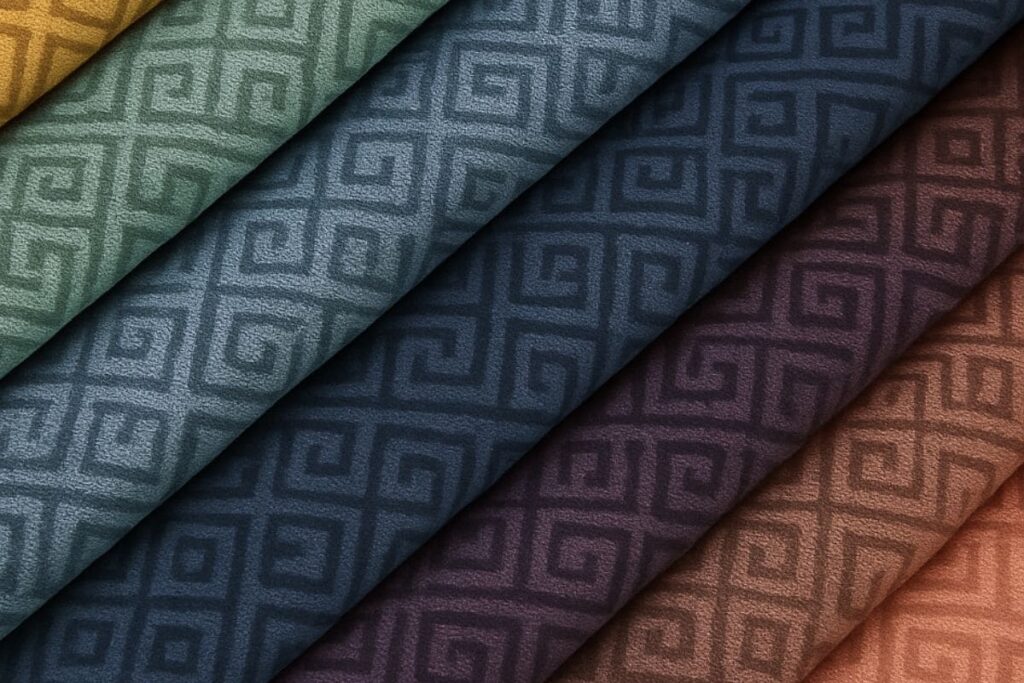
    Explanation of printed velvet fabric is relatively simple. It is a type of velvet that has gone through the additional step of printing so that stripes, dots, colors, or artistic designs can be done on its surface. Intensity of both, the texture of velvet and intricately crafted designs multiplies, thus printed velvet is one of the choice fabrics for fashionwear, upholstery and home décor.

    Velvet printing can be done on different base fabrics such as:

    • Silk velvet
    • Polyester velvet
    • Cotton velvet

    Types of Velvet Printing Techniques

    There are several methods used to create velvet prints, each with unique results:

    TechniqueDescription
    Screen PrintingTraditional method using mesh stencils. Ideal for bold and repeat patterns.
    Digital PrintingHigh-resolution printing for complex and multi-color designs. Best for custom work.
    Burnout Printing (Devoré)A chemical process that partially dissolves the velvet pile to create semi-transparent patterns.
    SublimationWorks best on polyester velvet. Infuses ink directly into the fibers.

    Applications of Printed Velvet

    Because of its aesthetic appeal and uniquely soft texture, printed velvet fabric finds application in diverse areas including:

    • Fashion: Designed Evening Gowns, Designer Scarves, and Jackets.
    • Home Decoration: Velvety Upholstered Sofas, Curtains, and Cushion Covers.
    • Occasion Decoration: Table Runners, Luxurious Backdrops, and Event Decoration.
    • Art: Mixed Media Artworks and Decorative Panels.

    Advantages of Velvet Printed Fabric

    Here’s why printed velvet stands out:

    • Textural Richness & Visual Height: Enhances warmth and adds charm to any given item.
    • Customization: Ideal for limited addition luxuries by brand designers.
    • Long Lasting: Printed fabrics maintain texture, especially those made from synthetic blends like polyester velvet.
    • Distinctive Charming: The markings on each piece of velvet printing reveals print story.

    Where to Buy High-Quality Velvet Prints

    In the case that you are looking for printed velvet fabrics, you can try sourcing from:

    • Fabric Shops: Popular fabric shops frequently have ready stock of exclusive designer prints.
    • Online Stores: Etsy, Alibaba, and other stores that specialize in textiles.
    • Industrial Suppliers: Best for bulk purchases and custom orders.

    When sourcing from suppliers, you want to try looking for:

    • Clarity of print.
    • Weight of the fabric, usually measured in GSM.
    • Reviews provided by previous clientele.
    • Availability of samples.

    Conclusion

    The combination of rich texture and eye-catching design on printed velvet fabric makes it suitable for use in fashion, upholstery, and home decor. Its appeal is luxurious and versatile; thus it suits modern styles and classic designs. Velvet fabric printed either for clothing as well as for interiors serves to enhance the aesthetics and sophistication of any project.

    Frequently Asked Questions (FAQs)

    1. What is the most effective method to print on velvet fabric?

    The finest detail and color accuracy is achieved with digital printing, particularly on polyester velvet.

    2. Can printed designs on velvet fabric fade over time?

    As long as fabrics are cared for correctly, modern prints—especially sublimated prints—are resistant to fading.

    3. Can printed velvet fabric be used for upholstery?

    Yes, with added backing, heavy grades above 300 GSM are ideal.

    4. What is the best way to clean printed velvet fabric?

    Dry cleaning is the gentlest method. For light blemishes, pat the area with a wet cloth without rubbing.

    5. Is there any possibility for custom velvet printing?

    Yes! Many vendors provide custom velvet printing for order quantities as low as 10 to 20 yards.

  • Shaneel Fabric: Is It Good for Sofas? Price, Pros & Cons (2026 Guide)

    Shaneel Fabric: Is It Good for Sofas? Price, Pros & Cons (2026 Guide)

    Why is Chenille Called Shaneel in India

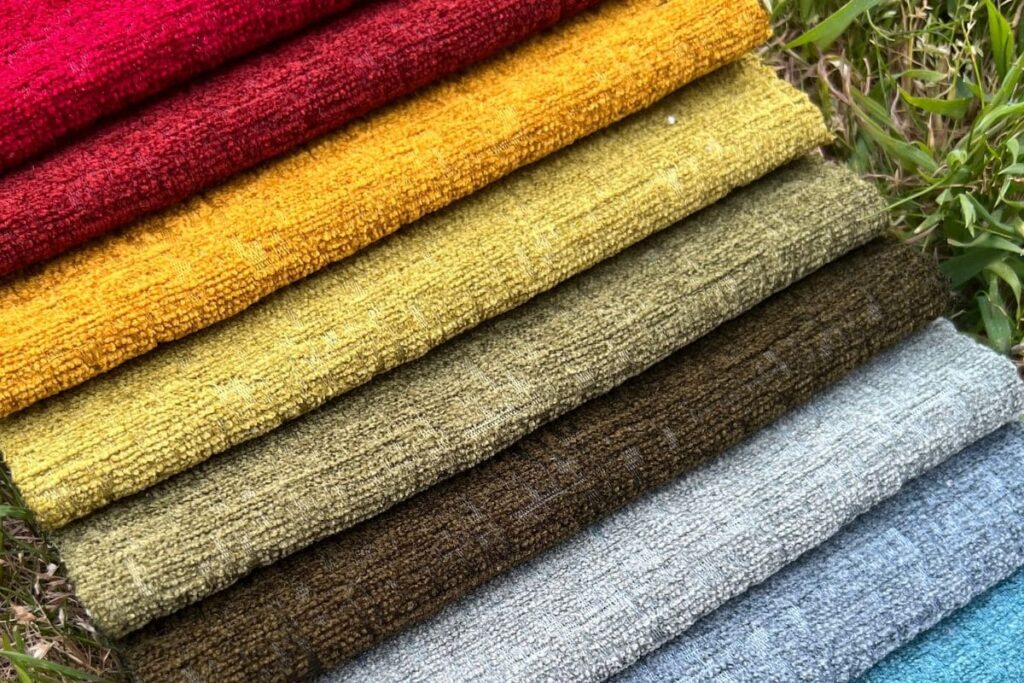
    Chenille fabric, also known as shaneel fabric in India, is a soft and luxurious textile known for its rich texture and velvety feel. The name “chenille” comes from the French word for “caterpillar,” as the fabric resembles its fuzzy appearance. It is made by placing short lengths of yarn between two core yarns, creating a raised surface that gives chenille its signature softness and premium look.

    Why is Chenille Called Shaneel in India?

    In India, chenille fabric is commonly known as “shaneel” or “shanil.”The term is widely used in textile markets in cities like Delhi, Mumbai and Surat. Basically, shaneel fabric refers to the same material as it is globally confirmed as chenille.

    The difference in the naming system is due to regional pronunciation and language influence. Over time, the French “chenille” adapted to neighborhood slang and became “shaneel,” making both phrases interchangeable in common usage .

    Properties of Chenille Material

    PropertyDescription
    TextureSoft, plush, and velvet-like
    AppearanceSlight sheen; rich and vibrant colors
    DurabilityStrong but requires gentle handling and washing
    CompositionOften made from cotton, rayon, polyester, or acrylic
    WarmthExcellent insulator, ideal for colder climates
    MaintenanceHand-wash or dry-clean preferred to maintain shape

    Uses of Chenille Cloth in Fashion and Home Décor

    Chenille fabric is widely used in both clothing and home furnishings due to its soft texture and luxurious feel. Some of the most common uses include:

    • Clothing: Sweaters, scarves, cardigans and comfortable chairs
    • Sofas & Upholstery: Sofa covers, armchairs and chenille upholstery fabrics for a top-class look
    • Curtains and Curtains: Elegant Curtains that Add Warmth and Richness to Interiors
    • Throws & Blankets: Soft blankets and throws, best for winter use
    • Rugs & Rugs: Used in carpets and rugs to provide comfort and insulation

    Overall, chenille fabric is highly preferred for products that require softness, warmth, and a rich appearance.

    Chenille Fabric vs Other Fabrics

    FeatureChenille FabricVelvetFleece
    TextureSoft and fuzzySmooth and glossySoft, slightly fluffy
    Common UseHome décor, winterwearEvening wearCasual outerwear
    CostModerateExpensiveAffordable
    BreathabilityMediumLowMedium


    Top Chenille Fabric Exporters in India

    India holds a number of strap fabric production cities that compete globally. That said, these are their flagship cites:

    • Panipat, Haryana – Specialized in home furnishings that use chenille fabrics methods.
    • Surat, Gujarat – Known for bulk production of synthetic shaneel cloth
    • Erode, Tamil Nadu – Popular for chenille fabric yarn and textiles

    The United States, United Kingdom, Australia, and even the United Arab Emirates are at the forefront for high-end yet reasonable chenille fabric item marketplaces serviced by various Indian exporters.

    Conclusion

    Most people that appreciate chenille fabric, also know it as shaneel cloth. This creative fabric adds comfort and sophistication to any setting. In India and rest of the world, it remains a popular option for winter clothes or regal upholstery fabrics as teh versatility of teh material is unmatched.

    Frequently Asked Questions (FAQs)

    1. What is shaneel fabric in English?

    Shaneel fabric in English is called chenille fabric. Both terms refer to the same soft, fuzzy material.

    2. Is chenille a natural fabric?

    Chenille can be crafted from both natural fibers like cotton as well as synthetic ones such as polyester or acrylic.

    3. What are the disadvantages of chenille fabric?

    However, chenille fabric does not have many advantages as it is prone to stretching and requires gentle cycle wash to prevent damage or fraying.

    4. Where is chenille fabric commonly used?

    It’s widely used in home furnishings like curtains, sofa covers, and bedspreads, as well as winter clothing.

    5. Is chenille fabric suitable for summer?

    The insulating properties of chenille fabric make it best suited for air-conditioned environments or cooler climates.

  • Jute Fabric for Sofa 2026 – Natural, Durable & Stylish Choice

    Jute Fabric for Sofa 2026 – Natural, Durable & Stylish Choice

    Introduction to Jute Fabric for Sofas

    Jute fibers are increasingly used in home furnishings and furniture upholstery. A jute fabric for sofa offers unparalleled appeal due to its enduring charm and eco-friendliness.

    A jute fabric sofa will also blend well with sophisticated vibes whether you are redecorating your new office or planning for your new house, because of its unmatched modern and earthy feel.

    Why Choose Jute Fabric for Sofas?

    Why Choose Jute Fabric for Sofas

    Jute fabric is obtained from the jute plant’s bark. It is 100% biodegradable and thus, an environmentally friendly option. The advantages it offers make it a great choice for upholstery.

    • Strength: The fabric withstands rough usage, making it the perfect choice for places that receive high traffic.
    • Coolness: It is a cooler fabric, so your sofa’s temperature will remain regulated in summer.
    • Natural Look: Its natural raw color and texture brings a unique boho-chic appeal to interiors.
    • Friendly Fabric: Jute is one of the most eco-friendly fabrics available.
    • Saves Money: Most jute materials are inexpensive compared to other synthetic options.

    Jute Fabric Sofa Designs

    When it comes to jute fabric sofa designs, the options are vast and varied. Here are some popular styles:

    Design TypeDescriptionBest For
    Minimalist SofasClean lines, light jute tonesModern, Scandinavian homes
    Rustic DesignsDeep brown jute, wooden framesCottages, farmhouses
    Bohemian SofasPatterned jute fabric, colorful cushionsArtistic, eclectic spaces
    Mid-century ModernLow-profile, neutral-toned jute upholsteryRetro-modern homes
    Modular Jute SofasCustomizable sections with jute slipcoversUrban, functional spaces

    These designs not only elevate your decor but also make your furniture a sustainable statement.

    Molfino Fabric vs Jute Fabric: Which Is Better?

    The molfino fabric vs jute fabric debate often comes down to usage, comfort, and aesthetics.

    FeatureMolfino FabricJute Fabric
    TextureSoft, velvetyCoarse, natural
    DurabilityModerateHigh
    Look & FeelElegant, plushRustic, earthy
    MaintenanceRequires dry cleaningEasy to spot clean
    Eco-friendlinessSynthetic blend100% natural and biodegradable
    • Select Jute if you appreciate longevity, natural beauty, and eco-friendliness.
    • Select Molfino if you care for a delicate and plush texture.

    Top Tips for Maintaining a Jute Fabric Sofa

    1. Regularly Clean with a Vacuum: Dust can accumulate within the coarse weave; regular vacuuming prevents buildup.
    2. Clean Spills Right Away: Use a damp cloth and mild soap to ensure there are no permanent stains.
    3. Avoid Overexposure to Moisture: Excess water can be retained by jute, leading to mold if proper drying isn’t undertaken.
    4. Rotate Cushions: Helps to prevent uneven wear and prolong the lifespan of the sofa.
    5. Store Away from Direct Sunlight: Helps to maintain color and prevent damage to the fibers.

    Also Read This: Top 10 Best Sofa Brands in India

    Conclusion

    A blended sofa of jute fabric and jute offers eco-friendly lifestyle without compromising on style. Jute fabric aligns with almost every theme—stylish or minimalist. As the trends for sustainable furniture choices diminish, a jute fabric sofa becomes more and more a beneficial choice not just for the owner’s house, but for the planet too.

    Frequently Asked Questions (FAQs)

    1. Is jute fabric comfortable for sofas?

    That is correct; jute is coarser than cotton or velvet, but even modern blends of jute are made for comfort and durability.

    2. Can jute fabric be dyed or printed for custom designs?

    Certainly! For customized sofa upholstery jute is ideal as it takes well to natural dyes and block prints.

    3. Is jute fabric more durable than molfino fabric?

    Yes, especially for high-use furniture, jute is more durable and wear-resistant compared to molfino.

    4. How do I clean a jute fabric sofa?

    For day-to-day maintenance, use a vacuum and for spills, wipe with a soft cloth and mild soap. Do not saturate the fabric.

    5. Are jute fabric sofas suitable for homes with pets?

    They could be, but it is essential to keep pets’ nails trimmed as the coarse fabric may snag.

  • Ultimate Guide to Decorative Fabric and Its Uses in India

    Ultimate Guide to Decorative Fabric and Its Uses in India

    What Is Decorative Fabric

    Introduction

    With reference to India, the country has witnessed the use of decorative fabrics in both traditional and modern interior design. The right fabric can help improve any area whether you are decorating a wedding venue or just refreshing your living room. The aim of this article is to bring to light the rich variety of fabric decoration fabrics available and their purpose, as well as the best sources in India.

    What Is Decorative Fabric?

    Fabrics utilized for decorative purposes are termed as decoupage fabrics. Fabrics that are designed for decoration purposes assist in improving the beauty and is crucial for almost everything ranging from interior and exterior features to clothes and events

    Key Features:

    • Textures that are of high quality
    • Embroidered or Patterned in very detailed way
    • Synthetics, Cotton, Silk, and Blends available

    Popular Types of Decorative Fabric in India

    India offers a rich diversity of decorative fabrics, each suited for specific purposes:

    Type of FabricDescriptionCommon Uses
    BrocadeRichly woven with gold/silver threadsWeddings, temples, royal decor
    SilkLuxurious and smoothCurtains, cushion covers
    Cotton PrintsLight, breathable, and colorfulWall hangings, tablecloths
    VelvetSoft and plushSofa covers, drapes
    Chiffon/OrganzaSheer and elegantEvent decoration, canopies

    Creative Uses of Decorative Fabrics

    Fabrics have countless other applications besides curtains and bed sheets. In India, some of the popular applications include:

    1. Decoration of Events : Mandap decorations, stage backdrops, chair sashes
    2. Furnishings : Wall paneling, Cushion covers, Furniture upholstery
    3. Handcrafts : Bags, Photo albums, lampshades
    4. Ethnic Wear : Bordering of sarees, Shawls and Sherwanis
    5. Merchandising : Advertisements that grab the customer’s sight behind the show window

    Where to Buy Decorative Fabrics in India

    Best Markets:

    • Chandni Chowk, Delhi – Wholesale selection available
    • Crawford Market, Mumbai – Designer choices
    • Surat Textile Market – Fabrics straight from the makers
    • Commercial street, Bangalore – Contemporary prints

    For those who prefer online shopping, Amazon India, Flipkart, and IndiaMART have hundreds of listings with decorative fabrics.

    Conclusion

    In India, decorative fabric is fundamental in enhancing the beauty and character of both homes and events. Fabric decoration fabric and mulitple uses of fabric varies in types and applications which can serve to assist you make the right choice for any setting. With numerous locally and online available decorating fabrics, transforming your space has been made simpler than ever.

    Frequently Asked Questions (FAQs)

    1. What is the difference between regular fabric and decorative fabric?

    Regular fabric as the name describes, is plain and functional. On the other hand, decorative fabric is visually appealing fabric that is oftentimes embellished, patterned or has other designs on it to increase its aesthetic value.

    2. Which is the best fabric for decorating a wedding in India?

    Due to their rich look, the top choices for indian weddings are brocade, silk and organza.

    3. Is it expensive to decorate a room with fabric in India?

    It varies with the quality of fabric, but be it budget or luxury, these options are available across Indian markets.

    4. How do i take care of decorative fabrics?

    Use dry cleaning for embellished fabrics. Gentle machine washing is suitable for those made of cotton.

    5. How do I choose the right fabric for home décor?

    Keep in mind the room’s theme, color scheme, lighting, and whether you prefer contemporary or classic styles.

  • 5 Types of Leather & How to Choose the Best One

    5 Types of Leather & How to Choose the Best One

    For centuries leather has outlived its fashion contemporaries due to its versatility in use and chic outlook. From expertly crafted leather bags and jackets to shoes and belts, they are more than mere accessories; they are symbols of affluence. However, in the world of leather, not all types are made equal. In this guide, we will look into the various classifications of leather along with which type suits best and how to determine the right leather.

    Why Understanding Leather Types Matters

    Regardless of whether you are purchasing goods for resale or just looking to grab something for yourself, it is prudent to know the different grades of leather. Here’s why having this knowledge can significantly affect your purchase:

    • Cost-Efficiency: Fairly distribute your money by selecting the ideal grade of leather.
    • Durability: Avail yourself precious time by opting to invest in leather that lasts longer.
    • Customer Satisfaction: Meet your customer’s expectations by offering high-quality products.
    • Brand Differentiation: Establish your market position by using premium materials and standing out.

    Top 5 Types of Leather

    5 Types of Leather & How to Choose the Best One

    We will now discuss the five most known types of leather and order them according to their quality and purpose.

    1. Full Grain Leather – This First Choice Is Remarkable

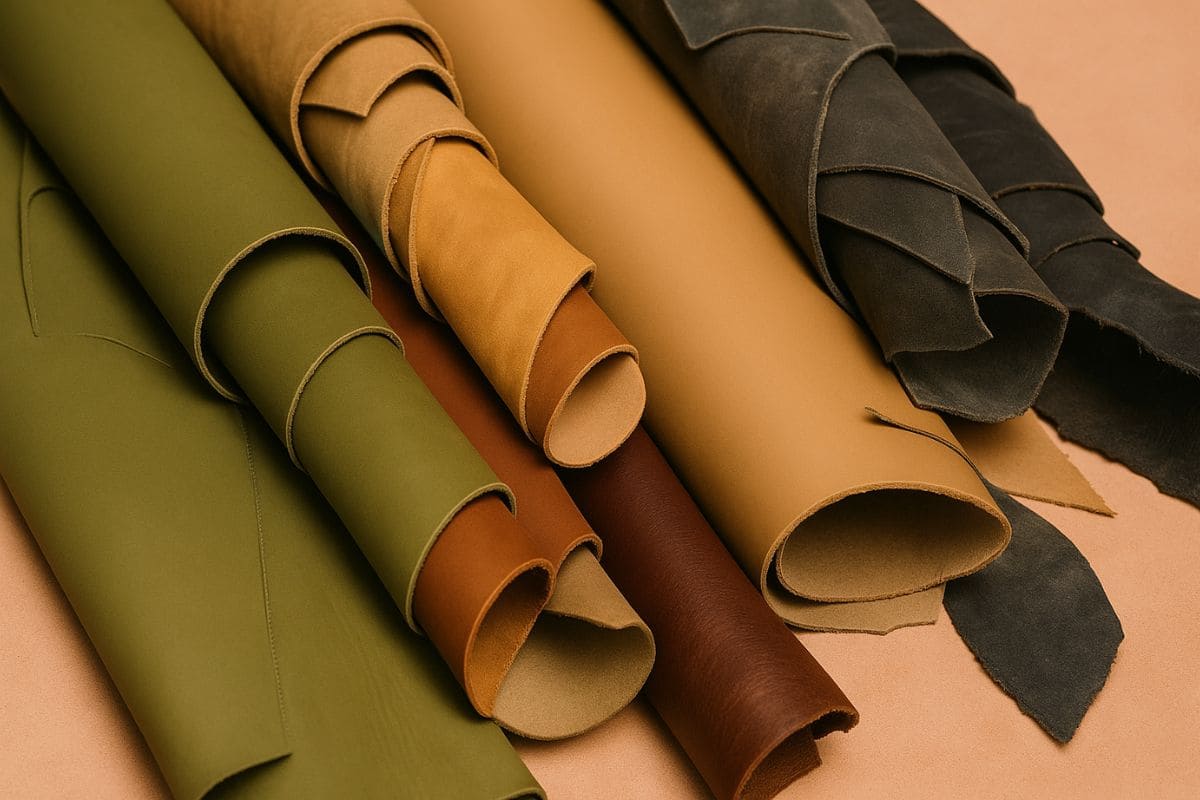
    Full grain leather is the most sophisticated part of the hide, left untouched with all its natural grain intact. It is strong, breathable, and improves with age. Over time, it stays fresh and develops a rich patina, making it more beautiful as it wears.

    Best For: Luxury bags, wallets, belts, shoes, and furniture.
    Why Choose It: It Lasts long, enduring characteristic polish with time.

    2. Top-Grain Leather – Smooth and Stylish

    Top grade or full grain leather gets its name from the way it undergoes slight sanding and treated to get rid of the imperfections making it smoother and uniform.

    Best For: Handbags, shoes, belts, jackets.
    Why Choose It: It looks refined and, at the same time, is more affordable than the former grain products.

    3. Genuine Leather – Affordable and Common

    It is fair to say that the phrase genuine leather is often over looked.
    This is termed genuine leather are from left over parts who have lower class skirted hides. This is referred to skin, but lower in quality.

    Best For: Wallets, belts, and some inexpensive accessories.
    Why Choose It: Low price while still maintaining reasonable quality.

    4. Split Leather (Suede) – Soft and Elegant

    Suede is gentler due to it being made out of the inner layer of the hide and having softer and smooth finish while being stylish however requires additional care.

    Best For: Jackets, gloves, shoes, linings
    Why Choose It: Soft touch and fashion-forward, but less durable

    5. Bonded Leather – Economical but Lower Quality

    Cubed leather is made from shredded leather parts put together with polyurethane. Its cost is low but fared durability is the worst.

    Best For: Office chairs, books covers, and items not frequently used.
    Why Choose It: Obliterates over a period of time, unbreathable.

    How to Identify High-Quality Leather

    Here’s how you can tell which leather is best when you’re shopping:

    CheckpointWhat to Look For
    Grain PatternNatural and uneven indicates real leather
    SmellGenuine leather smells earthy, not chemical
    FlexibilityShould bend without cracking or creasing
    EdgesFull-grain has rough, natural edges
    PatinaForms over time only in top/full-grain

    Would you like to know which leather products are in high demand? Following this sentence are some of the most searched and purchased leather goods:

    • Leather sling bags
    • Leather wallets
    • Leather laptop bags
    • Leather belts
    • Leather shoes
    • Leather jackets
    • Leather gloves

    These items can be worn by both men and women and come in various types of leather according to the price and quality.

    Also Read This: How to Clean Leather Sofas at Home

    Conclusion

    Picking the right leather does not have to be complicated. For brands looking to source materials and customers looking for reliable bags, understanding the difference between full grain, top grain, genuine, split and bonded leather is essential. Do consider that in the event of confusion regarding grain levels, full grain always stands to be the best option—but so do your needs and budget.

    Frequently Asked Questions (FAQs)

    1. Which leather is best for long-term use?

    For prolonged usage, full grain leather is ideal, as it is incredibly resilient, and endures marvelously with the passage of time.

    2. Considering genuine leather, is it still fake leather?

    Indeed it is, however, of a lower quality as it is constructed from the inner sections of the hide, meaning it is not as durable as full-grain leather or top-grain leather.

    3. What’s the difference between a bonded leather and real leather?

    Bonded leather contains pieces of leather mixed with strong adhesives as well as other materials, whereas full leather, top leather, and genuine leather are retrieved from the hides.

    4. What are the best leather types for bags?

    Full grain leather and top grain leather are the optimal choices for bags because of their strength, finish, and longevity.

    5. How can I tell if a leather product is high quality?

    To determine the quality of leather, check if it possesses a natural grain pattern, a bookish smell, flexibility, and is able to endure scarring with the obtaining of a patina over time.

  • Velvet Fabric: The Timeless Touch of Luxury

    Velvet Fabric: The Timeless Touch of Luxury

    What is Velvet Fabric?

    Known for its smooth luxurious feel and sheen, velvet is a fabric with a soft luxurious feel and a characteristic short pile that gives is a rich texture and sheen. While silk traditionally made velvet, today manufacturers use cotton, polyester, rayon, and blends, making it more affordable without losing its beauty.

    History of Velvet Fabric.

    Velvet Fabric

    used Ancient Eastern cultures velvet is now woven fabrics. Velvet’s history is tied to Middle Eastern cultures. Velvet was very popular in Europe during the Renaissance period (1400 – 1600). Velvet was considered a symbol of wealth during this period. With modern technology in textile production, velvet shifted from being an elite fabric into a much more affordable luxury.

    How is Velvet Made?

    To produce velvet, manufacturers use a double cloth loom that weaves two layers at the same time. They then cut these layers to create the pile surface, giving velvet its soft and plush feel. Depending on the fiber used, be it silk, cotton, or synthetic, the process will change.

    Types of Velvet Cloth

    TypeDescriptionBest Used For
    Plain VelvetSmooth and uniform surfaceApparel, curtains
    Crushed VelvetWrinkled texture, reflects light unevenlyPartywear, upholstery
    Panne VelvetFlattened in one direction for extra shineFashion accessories
    Embossed VelvetPatterns pressed into the fabricHome décor, high-end fashion
    Stretch VelvetContains spandex for flexibilityDancewear, leggings
    Chiffon VelvetLightweight and semi-sheerEvening gowns, overlays
    Ciselé VelvetCut and uncut pile designDrapes, decorative fabrics
    Polyester VelvetSynthetic version with enhanced durabilitySofa sets, curtains, fashion clothing

    Key Properties of Velvet Material

    Lustrous Finish: Has light reflection which gives it a shimmer.

    • Soft Texture: Smooth and warm pile is dense.
    • Thermal Insulation: Excellent for winter clothing and upholstery.
    • Color Depth: Surface dyes give vibrant hues a rich depth.
    • Drapability: Falls beautifully on a variety of clothing as well as curtain fabrics.

    Uses of Velvet Fabric

    Due to its appealing fragrances, velvet is famous for:

    • Fashion: Evening gowns, jackets, and sherwanis, blouses, lehengas.
    • Upholstery: Sofas, armchairs, cushions, and ottomans.
    • Curtains & Drapes: Adds sophistication and blocks bright rays.
    • Accessories: Elegant shoe, belt, and handbag, and even jewelry boxes.
    • Event Decor: Stages, backdrops, and table runners bring opulence to weddings.

    Advantages and Disadvantages

    Pros:

    • Affluent intricate look
    • Firm and yielding
    • Protective and cozy
    • Multitude of vibrant shades
    • Luxurious to touch and rich to experience

    Cons:

    • Bears the marks of crushed piles and other pressure marks easily
    • Can incur higher costs, most silk based material being quite expensive
    • Velvet is delicate, so handle it carefully and store it precisely.
    • Attracts lint and hair from pets quite easily

    India plays an important role in the production and distribution of velvet textiles, especially in the context of bridal couture, ethnic dresses, and interior decorations. Major commercial and distribution centers include Surat, Mumbai, and Delhi. Velvet is particularly popular during the wedding and festival seasons, especially in Rajasthan, Punjab, and Gujarat.

    Most Velvet Color Tones In India:

    • Royal blue
    • Maroon
    • Emerald green
    • Deep purple
    • Gold and bronze shades

    Velvet Care and Maintenance

    Cleaning MethodRecommendation
    Dry CleaningBest for silk and rayon velvet
    Spot CleaningBlot gently with a damp cloth
    VacuumingUse a soft brush attachment
    SteamingHelps restore the pile and remove wrinkles

    Avoid ironing directly on velvet. Store it hanging or folded inside out to avoid pile damage.

    Also Read This : Types of Sofa Cloth Materials

    Conclusion

    The luxury and multifunctional attributes of velvet make it a popular choice in the fashion and home décor industries. While it may require some form of upkeep, it is indeed worth the effort due to its stunning appearance and gentle feel to the fabric.

    Frequently Asked Questions (FAQs)

    1. What is velvet cloth used for?

    Due to its rich and soft appearance, velvet cloth is in high demand in the clothing industry, furniture, curtains, and other high-end accessories.

    2. Is velvet fabric good for summer?

    Velvet is most appropriate for colder regions because it retains heat. However, lightweight velvets like chiffon velvet can be incorporated into summer clothing.

    3. What is velvet made of?

    Silk, cotton, polyester, rayon or a blend can all be used to make velvet. The most costly is silk velvet while the more economical and tough is polyester velvet.

    4. how do i clean velvet fabric at home?

    You may machine wash synthetic velvet on a gentle cycle. Natural velvet, however, must be dry cleaned.

    5. Does velvet fade in sunlight?

    Indeed, particularly silk and cotton velvet. Do not expose velvet items to direct sunlight since it fades.

    6. Is polyester velvet strong?

    Yes. Polyester velvet is strong, rip resistant, and easy to care for, making it perfect for daily use upholstery.

    7. What are the disadvantages of velvet?

    Expensive, difficult to clean, prone to crushing, and if it’s high-quality velvet, brutally costly.

    8. Can initially ironing be done to velvet?

    Steaming is the only approved method. You can also cover a piece of the cloth and set an iron to the lowest temperature.

    9. Why is velvet regarded as luxurious?

    The honest truth is that its lavish structure, wash and dry shine, and a Barbara heart in enslaved nobles always makes out velvet resemble luxury.

    10. Where is velvet fabric manufactured in India?

    Bridal and ornamental textiles are the main offerings from the velvet industry in Surat, Varanasi, and Mumbai.

  • Cotton Blend Fabric: Everything You Need to Know

    Cotton Blend Fabric: Everything You Need to Know

    What is Cotton Blend Fabric?

    What is Cotton Blend Fabric?

    The most common type of cotton blend fabric is made by combining polyester with cotton. The purpose of the blend is to increase the strength, wrinkle resistance, and economical value of the cotton, but still, preserve the softness and breathability of the fabric.

    Polyester blends ratios with cotton are common as follows:

    • 65% of cotton with 35% of polyester
    • 50% of cotton with 50% of polyester

    These ratios shift depending on the quality, intended use, and overall target of the fabric.

    Blend TypeCompositionFeatures
    Polyester Cotton Fabric65% polyester / 35% cottonWrinkle-resistant, affordable, durable
    Cotton Polyester Blend50/50 cotton/polyesterBalanced comfort and strength
    Cotton-Lycra BlendCotton + 5% LycraStretchable, ideal for activewear
    Cotton-Rayon BlendCotton + RayonSmooth, breathable, soft drape

    3. Cotton Blend Fabric vs Cotton

    FeatureCotton FabricCotton Blend Fabric
    ComfortExtremely soft and breathableSlightly less breathable, still soft
    DurabilityWeaker after repeated washesMore durable due to synthetic fibers
    Wrinkle ResistanceLowHigh
    PriceUsually higherMore affordable
    Moisture WickingExcellentModerate to low

    While pure cotton is preferred for comfort, cotton blends win in terms of durability and maintenance.

    Given that India is one of the top producers of cotton, there is also a high demand for blended fabrics due to:

    • Blended fabrics are cheaper and affordable for mass markets
    • Ability to adapt to varying climates
    • Ease of caring for garments exposed to daily wear and tear
    • Expanding exports of textiles such as cotton polyester blend fabrics

    Applications of Polyester Cotton Blend Fabric

    Common uses of polyester cotton blend fabrics include:

    • School uniform
    • Corporateand Workwear uniforms
    • Bed and Pillowcases
    • T-shirts and other casual clothing
    • Curtain and Upholstery

    These industries benefit from increased comfort and performance provided by these blends.

    Advantages and Disadvantages

    Advantages:

    • Allows for greater durability compared to unblended fabrics
    • Lower production costs
    • Improved resistance to creasing and wrinkling
    • Increased colorfastness and ease of pattern application

    Disadvantages:

    • Poored breathability compared to 100% cotton fabrics
    • Possible occurrence of fabric peeling over time
    • Not as eco-friendly due to synthetic content

    Conclusion

    The cotton blend fabric combines the best of both worlds, offering the comfort of cotton alongside the durability of synthetic fibers like polyester. For individuals looking for low-maintenance and economical fabrics, cotton blend textiles are a great selection as they can stand up to wear and tear while still being soft and breathable. In India, the versatility and value that cotton blends offer is leading to a growing use in fashion, home textiles, and even industrial textiles.

    Frequently Asked Questions (FAQs)

    1. What is cotton blend fabric?

    Cotton blend material is a type of fabric created from cotton and other fibers such as polyester, rayon, or Lycra to improve its strength, elasticity, and affordability.

    2. Is cotton blend fabric good for hot weather?

    Yes, especially when the blend contains a higher percentage of cotton, although the breathability may not be as high as that of a 100% cotton blend.

    3. Is cotton blend better than cotton?

    For sturdiness and wrinkle resistance, yes. But for relaxing wear, breathability, and comfort, 100% cotton is usually preferable.

    4. Can cotton blend clothes be machine washed?

    Yes, they can. Most blends are machine washable and are generally easier to care for than pure cotton.

    5. What is the difference between polyester cotton fabric and cotton polyester blend?

    They are essentially the same, using both names interchangeably. The ratio of each fiber may change slightly.

  • What is Canvas Material? Types, Fabric, and Uses in India

    What is Canvas Material? Types, Fabric, and Uses in India

    Canvas is an industrial-grade fabric with a sturdy body that’s known for its high resilience. From being used for ship sails and tents, it is now used for painting, fashion design, home decor, and industrial purpose uses. In India, canvas is famous in the fields of painting, bag manufacturing, and eco-friendly packaging products.

    What is Canvas Made Of?

    What is Canvas Material? Types, Fabric, and Uses in India

    Canvas is fabric which is made of either cotton, linen, polyester or a combination of them. Each of this material comes with distinct advantages when clutching texture, strength and cost.

    • Cotton: Soft, breathable and wallet friendly
    • Linen: Tough with finer texture, sought after by painters
    • Polyester: Absorbent and light
    • Blended: Uses both natural and synthetic fibers for optimum durability.

    A canvas fabric will typically have a plain weave which aids in defining its strength, and ability to hold weight and color.

    What is Canvas Fabric?

    Canvas fabric uses strong cotton or linen to create a high-performance material known for its durability. It has a rough surface which is quite thick and it can contain paint or ink. Durable items such as:

    • Wall art prints
    • Bags and shoes
    • Tents and awnings
    • Outdoor furniture and upholstery

    Artists usually prep canvas with gesso before painting to keep the colors vibrant and prevent paint from seeping into the fibers.

    Uses of Canvas in India

    Canvas is widely used across various sectors in India due its reasonable price, ability to sustain the environment, and its strength. Some key uses include:

    • Art Supplies: Paintable stretched canvas and roll canvas for painters
    • Handbags: Strong material used for pouches, duffel bags, and handbags
    • Tent Manufacturing: Used in camping tents, the material is waterproof and UV resistant
    • Upholstery: Used in modern or rustic slipcovers and cushions for furniture
    • Eco-Friendly Products: Canvas in place of plastic shopping bags or packaging materials.

    Numerous Indian online retailers and brands, such as ItsyBitsy, Fabriclore, and Amazon India, provide a wide range of canvas products designed for both professionals and DIY enthusiasts.

    Also Read This: Types of Sofa Cloth Materials

    Conclusion

    Canvas is a versatile and timeless fabric that has made its way into homes, studios, and workshops across India. Regardless of whether you are an artist, designer, or a conscious shopper, having knowledge of canvas will help you select the right one for your use. As the movement towards eco-friendly and hand-crafted products increases in India, the significance of canvas is also increasing.

    Frequently Asked Questions (FAQs)

    1. In India, what are the uses of canvas fabric?

    In addition to painting, people use canvas fabric to sew bags, fashion accessories, tents, and even eco-friendly packaging.

    2. Which is better, cotton or polyester canvas?

    Cotton is breathable and of natural origin while polyester is more durable and water-resistant. The best option is blended canvas as it provides the best of both.

    3. What is the best way to clean canvas fabric?

    It is best to use a soft brush with some mild detergent. Refrain from soaking cotton canvas into water for long durations as it has the tendency to shrink.

    4. Where can I purchase canvas material in India?

    You can buy canvas fabric online from sites like Amazon, Flipkart, Fabriclore, and the ItsyBitsy craft store.

    5. What GSM is best for canvas fabric?

    While for painting, 250 to 350 GSM is the best, for bag making and upholstering, it is advisable to use 350 and above for added durability.